
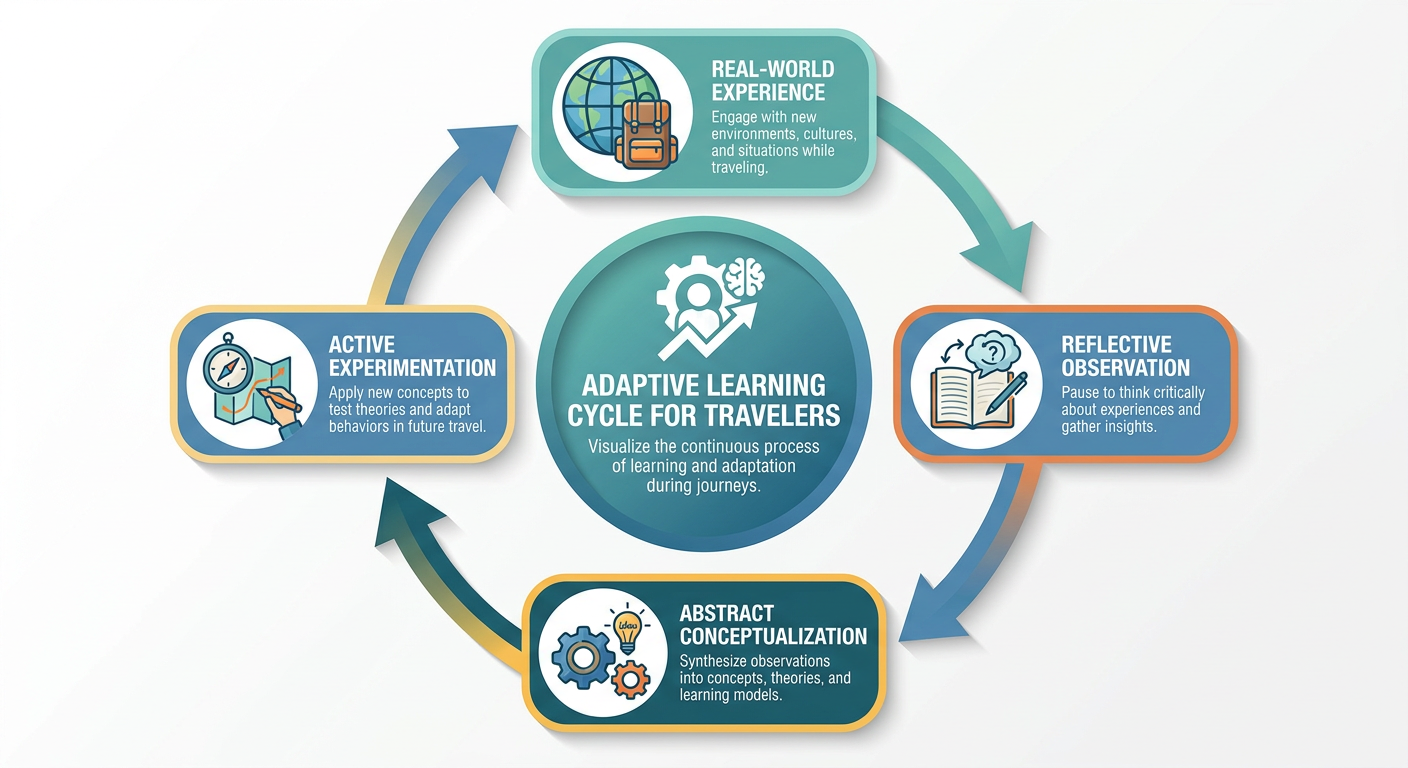
Choosing to educate your children while traveling the world is an incredible adventure, but it's not without its hurdles. Understanding the modern worldschooling challenges 2026 brings, from navigating complex legalities to ensuring your child feels connected, is the first step to creating a sustainable and joyous learning journey. This guide offers friendly, practical solutions to help your family not just survive but thrive on the go.
Quick Answer
The biggest worldschooling challenges in 2026 are navigating shifting international legal requirements for homeschooling, ensuring consistent academic progress across different cultures and time zones, and proactively creating stable social connections for children. However, with thoughtful planning and modern, flexible tools, these obstacles are entirely manageable for traveling families.
TL;DR
- Legal Hurdles Are Real but Navigable: Each country has unique rules for non-resident education, with many updating visa requirements for 2026. Proactive research is non-negotiable. See the latest legal considerations for popular regions
- Socialization Requires Intentional Effort: Finding community doesn't happen by accident. You'll need to actively seek out worldschooling hubs, online groups, and local activities to build friendships. Discover effective socialization strategies for all ages
- Academic Consistency Comes from Flexibility: Maintaining educational momentum isn't about rigid schedules. It's about using adaptive tools to weave learning into your travels and track progress meaningfully. Learn how to maintain progress without a fixed classroom
- Burnout Is a Common Risk for Parents and Kids: The combined stress of travel, logistics, and being the primary educator can lead to burnout. Building in rest and automating planning are key. Get practical strategies to prevent worldschooling burnout
- College Is A Realistic Goal: A worldschooling education can be a major asset for college applications, provided you document everything meticulously with a strong portfolio and transcript. Find out how to prepare for college admissions
In This Article
- What Are the Top Worldschooling Challenges Families Face in 2026?
- Navigating the Legal Landscape: Worldschooling Requirements by Country in 2026
- How Can Worldschoolers Ensure Consistent Academic Progress While Traveling?
- Solving the Socialization Puzzle: Worldschooling Teenager Social Life and Beyond
- Preventing Worldschooling Burnout: Mental Health Strategies for Nomadic Families
- Worldschooling vs. Homeschooling: Which Path is Right For Your Family?
- Financial Feasibility: How to Afford Worldschooling Long-Term?
- Preparing for the Future: Worldschooling and College Admissions in 2026
- What is the best worldschooling curriculum for international travel in 2026?
- Frequently Asked Questions
What Are the Top Worldschooling Challenges Families Face in 2026?
Worldschooling families in 2026 often face a distinct set of challenges centered around legal complexity, academic continuity, social integration, and parental burnout. While the dream of learning from the world is powerful, the reality requires navigating a patchwork of international laws, ensuring children don't develop learning gaps, fostering friendships on the move, and managing the immense logistical and emotional load of being a parent, teacher, and travel agent all at once.
The landscape of global travel and remote education has matured significantly. More families than ever are choosing this path, leading to better resources but also more scrutiny from local authorities in some regions. The most successful worldschooling families are those who approach these hurdles with proactive strategies rather than reactive panic. They understand that freedom and flexibility must be balanced with intentional planning. From tangled visa applications to a teenager missing their friends back home, these issues are universal, but thankfully, so are the solutions. The key is to anticipate these challenges and build a support system—with both people and technology—before you even pack your bags.
Navigating the Legal Landscape: Worldschooling Requirements by Country in 2026
The single greatest source of anxiety for many new worldschoolers is the legal maze of educating a child abroad. Unlike traditional homeschooling, where you typically deal with one set of state or provincial laws, worldschooling involves a constantly changing legal context. A country's rules about education are often tied to residency status, and what's permissible on a tourist visa can be very different from the requirements for a long-stay or digital nomad visa.
In 2026, many countries have updated their policies in response to the rise of the digital nomad family. For instance, countries like Portugal, Spain, and Costa Rica have introduced specific digital nomad visas, but the fine print regarding the education of dependents can be vague. A common mistake families make is assuming their home country's homeschool laws apply everywhere—they don't. You are subject to the laws of the country you are physically in.
Some countries, like Germany, have strict compulsory education laws that make homeschooling illegal for residents. Others, like Thailand or Mexico, have a more relaxed "don't ask, don't tell" policy for families on tourist visas, but this can change without notice. In our experience, the best practice is to maintain official homeschool registration in your home state or country (if legally possible) while quietly and respectfully educating your children wherever you are. For example, a family staying in Spain for four months on a non-lucrative visa might be asked by local authorities to show proof of educational plans, making a registered homeschool status in their home country (like Texas or Florida) invaluable. Never seek official "permission" from a foreign embassy to homeschool on a tourist visa, as this can create unnecessary complications and flag your file.
| Region / Country | 2026 Legal & Visa Considerations | Practical Tip for Families |
|---|---|---|
| EU Schengen Area | Varies by country. Strict in Germany for residents. More flexible in Spain/Portugal, but long-stay visas may require school enrollment. | Adhere to the 90/180 day rule. For longer stays, investigate specific visa requirements for dependents before applying. |
| Southeast Asia | Thailand and Malaysia are generally permissive for tourists. Long-term "Edu-Visas" often require enrollment in a local institution. | Use back-to-back tourist visas or "visa runs," but be aware of increasing scrutiny on this practice in some nations, particularly Thailand as of 2026. |
| Central/South America | Generally very relaxed. Mexico and Costa Rica are popular due to ease of living and minimal oversight for non-residents. | Even in relaxed countries, carry a digital copy of your home country's homeschool registration as a precautionary measure. |
| United Kingdom | Homeschooling ("home education") is legal and well-established for UK residents. For visitors, standard immigration rules apply. | If staying long-term on a family visa, you must follow official local council guidelines for home education. |
⚠️ Critical Caution: Legal information for worldschoolers changes rapidly. The information here is for educational purposes as of mid-2026. Always consult official government immigration sites and experienced expat communities for the most current regulations before making travel plans.
How Can Worldschoolers Ensure Consistent Academic Progress While Traveling?
Worldschoolers can ensure consistent academic progress by shifting their mindset from "school at home" to "learning everywhere" and using flexible tools to support this approach. Consistency doesn't mean completing a math worksheet at 9 AM in every time zone. It means ensuring your child is continuously building skills, filling knowledge gaps, and deepening their understanding, no matter if their classroom is a museum in Paris or a rainforest in Costa Rica.
The key is to build a framework, not a cage. A successful framework includes:
- A Personalized, Flexible Curriculum: Ditch the rigid, day-by-day lesson plan. Instead, focus on weekly or monthly learning goals. This allows you to seize learning opportunities as they arise—like studying Roman history while you're actually in Rome.
- Project-Based Learning (PBL): Project-Based Learning (PBL) is an educational approach where students learn by actively engaging in real-world and personally meaningful projects. For worldschoolers, this is a game-changer. It allows you to integrate multiple subjects into one engaging project. For example, planning a 3-week train journey from Lisbon to Athens can involve geography (mapping the route), history (researching ancient sites along the way), budgeting (calculating ticket costs, food, and lodging in Excel), and cultural studies (creating a small presentation on customs in Spain, France, and Italy).
- Adaptive Learning Platforms: This is where technology becomes a game-changer. Modern LearnSpark platforms can track your child's mastery of core subjects like math and reading, identify gaps, and generate personalized lessons automatically. For instance, if your child struggles with fractions while you're exploring the Amazon, the platform can assign targeted practice problems and video tutorials, ensuring they don't fall behind while you focus on the unique learning opportunities around you. This ensures the fundamentals are covered even when your days are unpredictable.
Using a combination of these strategies allows you to document learning in a way that feels authentic and is also robust. Instead of a report card full of grades, you build a rich portfolio of projects, experiences, and demonstrated skills. Reliable student progress monitoring tools are essential for this, helping you see the real picture of your child's education and confidently plan what's next.
Key takeaway: Academic consistency for worldschoolers is about continuous growth, not a rigid schedule. Leverage flexible frameworks and smart technology to track progress and turn every destination into a classroom.
Solving the Socialization Puzzle: Worldschooling Teenager Social Life and Beyond
Worldschoolers can ensure robust social development for their children by being intentional and proactive about creating community. The persistent myth of the "lonely homeschooled kid" is easily busted in a world full of digital and physical connection points, but it does require more effort than relying on a traditional school environment. This is especially true for teenagers, who crave peer connection and a sense of belonging.
The solution is a multi-pronged approach to building a social web:
- Slow Down Your Travel: Racing through ten countries in ten months is a recipe for social isolation. Spending one to three months in a location gives your family time to connect with the local community.
- Seek Out Worldschooling Hubs: Worldschooling hubs are cities or towns that have become popular destinations for traveling families, leading to a critical mass of community and resources. Formal programs like Boundless Life or informal meetups in places like Da Nang, Vietnam, or Playa del Carmen, Mexico, offer instant community. We've seen families arrive in these hubs and have playdates scheduled within 48 hours thanks to active Facebook and WhatsApp groups.
- Leverage Online Communities: Platforms like Outschool offer live, interest-based classes where kids can connect with peers who share their passions, from Minecraft coding to creative writing. Gaming communities and moderated Discord servers can also be powerful tools for maintaining friendships across time zones.
- Embrace Local Activities: Enroll your kids in local sports, art classes, or music lessons. Even with a language barrier, shared activities build powerful bonds. For example, signing your 10-year-old up for a local youth soccer (fútbol) club in Valencia, Spain, not only teaches them the sport but immerses them in the local language and social norms, creating friendships based on shared passion. This is often the most rewarding way to connect, as it provides authentic cultural immersion alongside peer interaction.
Based on our analysis of thriving worldschooling families, the parents who succeed at this don't wait for social opportunities to appear; they actively create them. They are the ones organizing park meetups, starting book clubs, and reaching out to other families online before they even arrive in a new city.
Preventing Worldschooling Burnout: Mental Health Strategies for Nomadic Families
Preventing worldschooling burnout involves building sustainable rhythms, prioritizing mental health, and leveraging tools that reduce the administrative burden on parents. The constant decision-making—from visa runs and flight bookings to curriculum choices and meal planning—can lead to significant exhaustion for parents, which in turn affects the entire family's well-being.
- Embrace a "Slowmad" Pace: As mentioned with socialization, traveling slower is the number one defense against burnout. Staying in one place for several weeks or months reduces logistical stress and allows for real rest.
- Automate Everything You Can: The mental load of lesson planning is a primary driver of parental burnout. In our experience, using an LearnSpark planner can be transformational. For instance, instead of spending Sunday night scrambling to plan science lessons, you can tell your LearnSpark tool, "We're in the Swiss Alps next week, and my 11-year-old is interested in geology." The tool can then generate a week's worth of lessons, activities, and video links about glaciers, rock formations, and local ecology. A tool that can do this in minutes can free up 5-10 hours per week.
- Schedule "Zero Days": Institute planned days where there are no travel plans, no tours, and no formal lessons. These are days for rest, free play, and personal projects. It gives both kids and parents a chance to recharge their batteries.
- Build a Support Network: Connect with other worldschooling families online. Having peers who understand your unique challenges is invaluable. Venting about a frustrating visa process or sharing a curriculum win with someone who "gets it" can be a huge mental relief.
⚠️ Recognize the Signs: Burnout often looks like constant irritability, a loss of enthusiasm for travel, feeling overwhelmed by small tasks, and a desire to just go "home." If you see these signs in yourself or your kids, it's a signal to slow down and simplify immediately.
Worldschooling vs. Homeschooling: Which Path is Right For Your Family?
Worldschooling provides unparalleled cultural immersion and adaptability, while traditional homeschooling offers a more stable local community and predictable structure. Choosing between them depends entirely on your family's core priorities: Do you value global exploration over local sports leagues? Is a consistent peer group more important than learning about ancient history while standing in the Acropolis? There is no "better" option, only a better fit for your goals.
Worldschooling is essentially homeschooling on the road. The curriculum is often more fluid and integrated with the family's travels. Homeschooling is typically location-dependent, with families building a life and community in one place. This can make it easier to participate in long-term activities like co-ops, sports teams, and music lessons. Many families, in fact, practice a hybrid model, traveling for part of the year and settling in a home base for the rest. Thinking about Worldschooling with Multiple Children can add another layer, as the social and academic needs of different age groups may pull you toward one model or the other.
Here’s a comparison to help you decide:
| Aspect | Worldschooling | Traditional Homeschooling |
|---|---|---|
| Learning Environment | The world is the classroom; learning is experiential and location-based. | The home is the primary base; learning is supplemented by local field trips and community resources. |
| Cultural Immersion | Pro: Deep, authentic exposure to multiple cultures, languages, and worldviews. | Con: Primarily limited to the family's home culture, with exposure from books, media, and travel. |
| Social Community | Con: Friendships can be transient. Requires proactive effort to build and maintain community. | Pro: Stable, long-term friendships through local co-ops, support groups, and extracurriculars. |
| Curriculum & Structure | Pro: Highly flexible and adaptable. Excellent for project-based and interest-led learning. | Pro: Easier to follow a structured, sequential curriculum. More access to physical resources (libraries, labs). |
| Pace & Logistics | Con: Can be logistically complex and potentially exhausting. Constant planning is required. | Pro: Logistically simple and predictable. Established routines provide stability. |
| Ideal For Families Who... | Prioritize travel, adaptability, and real-world experience over structured routine. | Prioritize deep community roots, stable routines, and long-term participation in local activities. |
Financial Feasibility: How to Afford Worldschooling Long-Term?
Affording long-term worldschooling typically involves a strategic mix of remote work, careful budgeting, and choosing affordable destinations. The idea that you need to be independently wealthy is a myth; a 2025 study from Nomad List shows that many digital nomad families live comfortably on $3,000 to $5,000 per month by choosing locations in Southeast Asia or Latin America over Western Europe.
The financial foundation for most worldschooling families is a location-independent income. In 2026, the most common remote jobs include:
- Tech Roles: Software development, UI/UX design, cybersecurity, and data analysis.
- Creative Services: Content writing, graphic design, social media management, and video editing.
- Online Business: E-commerce, coaching, course creation, and affiliate marketing.
- Client Services: Virtual assistance, project management, and online tutoring.
Many families find success by having one parent work remotely while the other focuses on education, or by both parents working part-time. For example, one family we know has a father who works as a remote software engineer, while the mother manages a popular travel blog and does freelance writing, contributing an extra $1,000-$1,500 per month. Exploring flexible ways to make money as a homeschooling parent can open up many possibilities you hadn't considered.
Beyond income, disciplined budgeting is crucial. This means tracking every expense and prioritizing spending. For instance, a family might use a budgeting app like YNAB (You Need A Budget) to track their spending, noticing that they spend 30% of their budget on short-term Airbnb stays. This might prompt them to switch to month-long rentals, saving them 20% on accommodation and reducing their logistical stress. Geo-arbitrage is the core financial strategy that makes this lifestyle possible for many, which involves earning in a strong currency (like USD or EUR) while living in a country with a lower cost of living (like Thailand or Colombia).
Key takeaway: A sustainable worldschooling budget is built on three pillars: a reliable remote income, smart destination choices that lower your cost of living, and diligent expense tracking.
Preparing for the Future: Worldschooling and College Admissions in 2026
Worldschoolers can build exceptionally strong college applications by treating their entire journey as a capstone project. In 2026, admissions officers at competitive universities are increasingly looking for applicants who demonstrate independence, resilience, and a unique perspective—all hallmarks of a worldschooling education. The key is to prove that your child's education was not a vacation, but a rigorous, self-directed learning experience.
Here’s how to prepare for college admissions:
- Create an Official Transcript: You are the guidance counselor. Use a platform that helps you document courses, assign credits, and calculate a GPA. This formalizes your child's education.
- Build a Rich Digital Portfolio: This is where worldschoolers shine. A portfolio can showcase so much more than a grade. For example, a portfolio entry for a trip to Egypt could include a research paper on ancient irrigation techniques (Science/History), a video presentation filmed at the Karnak Temple (Public Speaking), a budget spreadsheet for the trip (Math/Life Skills), and photos of hieroglyphics they learned to identify (Art/Language). In our experience, a portfolio is the single most powerful tool for demonstrating the depth and breadth of a non-traditional education.
- Lean into the Experience in Essays: The college essay is an opportunity to tell a story no traditionally-schooled student can. Encourage your teen to write about how navigating a new culture, learning a language, or managing a travel budget taught them about resilience, empathy, and problem-solving.
- Prepare for Standardized Tests (Strategically): With many universities remaining test-optional, the role of the SAT/ACT has changed. However, a strong score can still be a valuable data point, especially for homeschooled applicants. Plan for a study period when you are stationary for a few months.
⚠️ Documentation is Everything: You cannot simply say your child "learned about the Renaissance in Florence." You need to document it. What books did they read? What museums did they visit? What project or report did they produce afterward? Meticulous record-keeping is the bridge from amazing experiences to a successful college application.
What is the best worldschooling curriculum for international travel in 2026?
The best worldschooling curriculum for international travel in 2026 is not a single product, but rather a flexible, customized ecosystem of tools and resources. We've seen that the most successful families mix and match, creating a blend that fits their travel style and their children's learning needs. A worldschooling curriculum is best understood as a toolkit, not a single textbook.
Here’s what a robust worldschooling curriculum toolkit for 2026 often includes:
- An LearnSpark Core: For foundational subjects like math and language arts, an adaptive platform is essential. It provides consistency and mastery-based learning that can happen anywhere, from a long train ride across India to a quiet afternoon in a Tokyo apartment. It handles the planning and tracking, freeing you up to focus on experiential learning.
- Project-Based Learning (PBL) Frameworks: Instead of a history textbook, you use your location. For example, while in Greece, a family might launch a project on "Ancient Democracy vs. Modern Democracy." This project would integrate history (researching Athens), civics (comparing government systems), math (calculating population sizes), and art (designing a Parthenon model).
- A Digital Library: Access to apps like Libby (for library ebooks/audiobooks) and Kindle Unlimited is non-negotiable. It provides an endless supply of reading material on any topic your child becomes curious about.
- Language Learning Apps: Tools like Duolingo, Babbel, or local tutoring platforms like iTalki allow kids to learn the basics of the local language, which deepens cultural immersion and respect.
- A Portfolio Builder: A simple tool like Google Slides or a dedicated platform to document projects, photos, and reflections is crucial. This becomes your record of learning and is invaluable for college applications.
The best curriculum is one that is alive and responsive to your journey. It bends without breaking, allowing you to follow your child's curiosity while ensuring the core academic bases are always covered.
Frequently Asked Questions
How do you handle healthcare and emergencies while worldschooling?
Most worldschooling families use a combination of travel insurance with robust medical coverage (like SafetyWing or World Nomads) and a well-stocked first-aid kit. For minor issues, local pharmacies are often excellent resources. Before entering a country for an extended stay, we recommend researching the location of the nearest reputable hospital and having emergency contact numbers saved.
Can you worldschool with a special needs child?
Absolutely, though it requires more planning. Many parents find the one-on-one attention and flexible pacing of worldschooling to be hugely beneficial for children with learning differences like dyslexia or ADHD. The key is ensuring continuity of care. This might mean scheduling telehealth appointments with therapists back home, finding specialists in long-stay locations, and using adaptive technology tailored to your child's needs.
What happens if my child wants to stop traveling and go to a "real school"?
This is a common concern and a valid feeling for a child to have, especially during the teen years. The best approach is open communication. Listen to their reasons. Is it about friends? A specific interest? Burnout? Sometimes, the solution is to slow down, spend a year in one location, or enroll them in a local school or a worldschooling co-op for a semester. The flexibility of worldschooling means you can adapt to meet their evolving needs.
How do worldschoolers handle different languages?
Language barriers are one of the most exciting worldschooling challenges 2026 offers, not a roadblock! Families handle this in various ways. Many use language apps to learn basics before arrival. Others hire local tutors for a more immersive experience. The most important thing is to embrace being a beginner. We've seen that kids, in particular, often pick up languages quickly through play and daily interactions at parks and markets. It teaches resilience, humility, and the powerful skill of non-verbal communication.
Thriving Amidst the Worldschooling Challenges of 2026
Worldschooling is a journey defined by freedom, discovery, and deep family connection. While the worldschooling challenges 2026 presents—from legal navigation and academic consistency to social connection and financial planning—are significant, they are not insurmountable. With proactive planning, a flexible mindset, and the right blend of technology and community, these hurdles become stepping stones to a richer, more meaningful education.
The key is to embrace intentionality. Intentionally build your social web, intentionally document your learning, and intentionally schedule rest. By doing so, you transform the potential stressors of a nomadic lifestyle into a sustainable and joyful adventure for the whole family.