
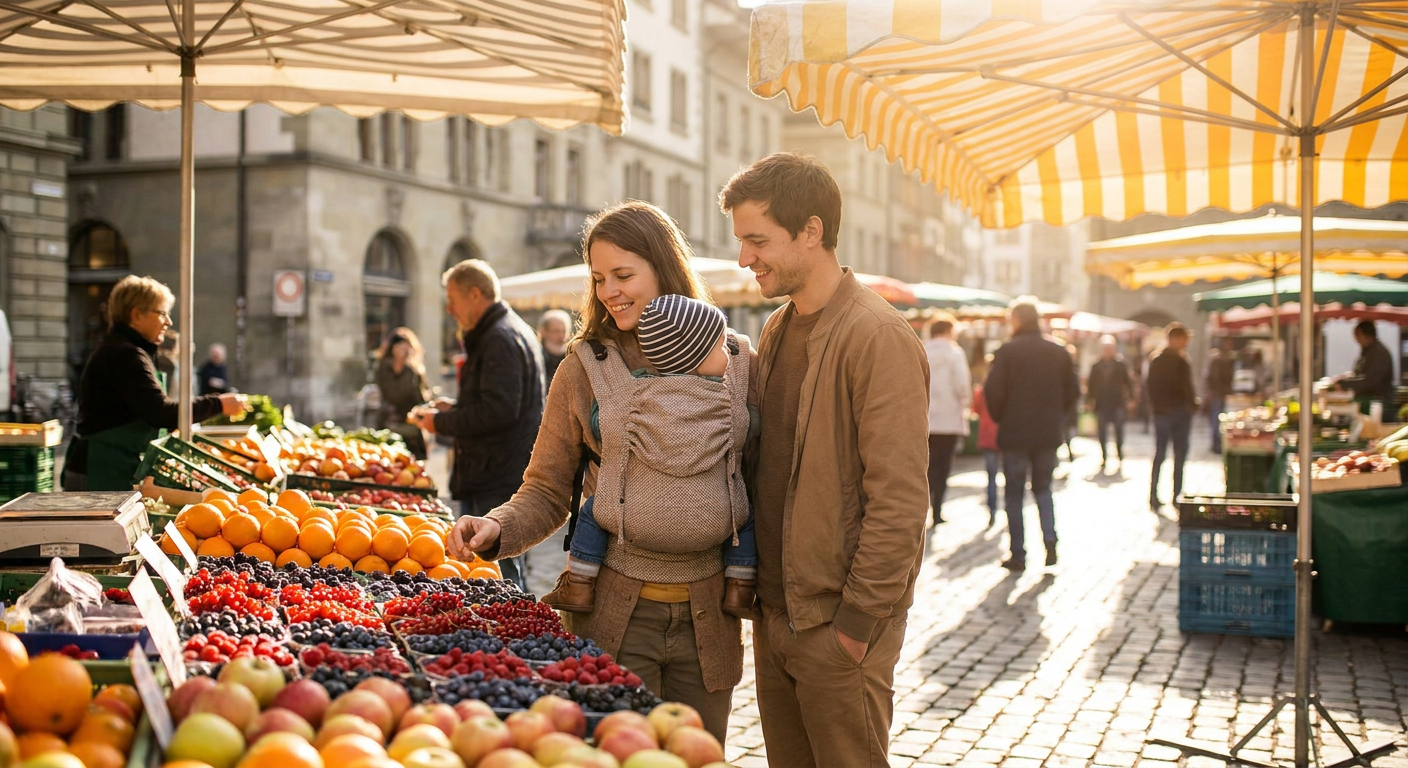
Thinking about trading your backyard for the entire world, even with a toddler in tow? You're not alone. Many families are discovering that combining travel and education from the earliest age is not only possible but incredibly rewarding. This guide is packed with practical slow travel with young children tips, showing you how to embrace a joyful, learning-filled adventure on the go without the stress.
Quick Answer
Worldschooling with toddlers is entirely possible and deeply enriching in 2026. The key is to embrace slow travel, which reduces stress and allows for deeper immersion. Success comes from combining a flexible, play-based learning approach with smart budgeting for a family of four, gentle parenting strategies to navigate transitions, and leveraging supportive communities and modern tools. Adopting these slow travel with young children tips makes the journey sustainable and joyful.
TL;DR
- Embrace Slow Travel: Rushing leads to meltdowns. Staying in one place for 1-3 months reduces stress, deepens learning, and is often more affordable. Discover the benefits of going slow.
- Budget Smarter, Not Harder: A realistic worldschooling budget for a family of four focuses on long-stay accommodation discounts, smart insurance choices, and local living to manage costs effectively. See a sample budget for different regions.
- Prioritize Gentle Parenting: Travel brings big feelings. A consistent, empathetic parenting approach provides the emotional security toddlers need to thrive through transitions and new experiences. Learn how to manage tantrums on the go.
- Find Your Tribe: You aren't alone. Connecting with online worldschooling communities or physical hubs provides crucial social outlets for both you and your toddler. Explore different types of worldschooling communities.
- Integrate Learning Naturally: With toddlers, learning isn't about worksheets. It's about sensory play, exploring local markets, and turning everyday discoveries into teachable moments, often with the help of smart LearnSpark tools. Get play-based learning ideas.
In This Article
- Is Worldschooling with Toddlers Even Possible in 2026? (Yes!)
- The Magic of Slow Travel with Young Children: Why Less Is More
- Crafting Your Worldschooling Budget for a Family of Four (with Toddlers) in 2026
- Best Countries for Worldschooling with Toddlers in 2026
- Gentle Parenting While Worldschooling: Navigating Tantrums & Transitions Anywhere
- Roadschooling with Toddlers in a Van: Maximizing Small Spaces for Big Learning
- Sensory Play Ideas for Traveling Toddlers: Low-Mess Learning Anywhere
- Balancing Full-Time Work and Worldschooling with Toddlers in 2026
- Worldschooling Communities & Resources for Families with Toddlers (2026)
- Play-Based Worldschooling Preschool Curriculum Ideas for Ages 3-5
- How Can LearnSpark Support Worldschooling with Toddlers in 2026?
- Frequently Asked Questions About Worldschooling with Toddlers
Is Worldschooling with Toddlers Even Possible in 2026? (Yes!)
Yes, absolutely! The idea of navigating airports, new foods, and different time zones with a two- or three-year-old might seem daunting, but worldschooling with toddlers is not only possible but can be one of the most rewarding experiences for a young family. Unlike a fast-paced vacation, worldschooling focuses on slow, immersive living where your child’s world expands naturally and joyfully.
In 2026, families have access to more resources than ever. The global rise of "digital nomad family" communities means you can find support and friendship online before you even pack your bags. Flexible work is more common, and technology has made it easier to stay connected and manage logistics. For toddlers, this early exposure to different languages, cultures, and environments fosters adaptability, curiosity, and a foundational global awareness that will benefit them for life. The key isn't to replicate a classroom on the road but to embrace the world as the ultimate sensory learning environment.
The Magic of Slow Travel with Young Children: Why Less Is More
Slow travel with young children is the secret ingredient to a successful and joyful worldschooling journey. It means trading a packed itinerary for a relaxed pace, often staying in one location for one to three months at a time. This approach allows your family to put down temporary roots, moving beyond being tourists to becoming part of a local community.
For toddlers, this rhythm is everything. Constant movement can disrupt sleep, eating, and emotional regulation, leading to stress for everyone. By staying put, you can establish comforting micro-routines—like visiting the same park each morning or buying bread from the same bakery. This predictability creates a secure base from which your little one can confidently explore.
The benefits of this approach are immense:
- Reduced Stress: Fewer travel days mean less packing, unpacking, and navigating unfamiliar transport systems.
- Deeper Immersion: You have time to discover hidden gems, make local friends, and understand the culture beyond its surface.
- Cost Savings: Monthly rental rates are often significantly cheaper than nightly ones, and cooking your own meals saves a fortune.
- Meaningful Learning: Learning happens organically when you have time to revisit a favorite museum, observe construction workers for an hour, or spend a whole afternoon at the beach.
In our experience, rushing from city to city with a two-year-old often leads to meltdowns and missed learning moments. Slowing down allows you to tune into your child's pace and interests, turning a simple walk into an adventure of discovery.
Key takeaway: The goal of worldschooling with a toddler isn't to see more places, but to see one place more deeply. Slow travel makes this possible.
Crafting Your Worldschooling Budget for a Family of Four (with Toddlers) in 2026
A worldschooling budget for a family of four with toddlers requires a shift in thinking from a short vacation to a sustainable lifestyle. The biggest expenses are typically housing, food, and transportation, but smart planning can make this adventure surprisingly affordable. Slow travel is your biggest budget-saving tool, as monthly discounts on accommodations can cut housing costs by 30-50% compared to short-term stays.
Your budget will vary wildly depending on your destination, but here is a breakdown of core categories to consider:
- Accommodation: Your largest expense. Look for long-stay discounts on platforms like Airbnb or local rental sites. A family-friendly rental with a kitchen is non-negotiable for saving money on food.
- Food: Eating like a local is key. Shopping at markets and cooking most of your meals will drastically reduce costs compared to eating out.
- Transportation: This includes flights between countries and local transit. Booking flights well in advance and using public transport or walking within a city will save money.
- Insurance: A critical expense. Travel medical insurance is a non-negotiable for protecting your family against unexpected health issues. Companies like SafetyWing offer plans designed specifically for digital nomad families, covering both adults and children globally.
- Activities & Learning: This can be very low-cost with toddlers. Think parks, playgrounds, beaches, and free museum days. Budget a small amount for special outings like a trip to the zoo or an aquarium.
- Visas & Logistics: Remember to budget for any required visas, passport renewals, and other administrative costs.
Here’s a sample monthly budget comparison to illustrate how location impacts costs for a family of four in 2026. These are estimates for a comfortable but not extravagant lifestyle.
| Category | Southeast Asia (e.g., Chiang Mai, Thailand) | Southern Europe (e.g., Lisbon, Portugal) |
|---|---|---|
| Accommodation | $800 - $1,500 | $1,500 - $2,500 |
| Food (Groceries & Dining) | $500 - $800 | $800 - $1,200 |
| Local Transport | $100 - $200 | $200 - $300 |
| Health Insurance | $250 - $400 | $250 - $400 |
| Activities & Supplies | $150 - $300 | $250 - $400 |
| Total Estimated Monthly | $1,800 - $3,200 | $2,900 - $4,800 |
This shows that a worldschooling lifestyle can be more affordable than living in many major US or Western European cities, especially if you choose lower-cost regions.
Best Countries for Worldschooling with Toddlers in 2026: Safety, Walkability, & Culture
The best countries for worldschooling toddlers in 2026 are those that prioritize safety, walkability, family-centric culture, and access to nature. When you're navigating the world with a little one, factors like stroller-friendly sidewalks and a welcoming attitude towards children are just as important as historical sights.
Here are some top regions and countries that consistently rank high for families with young children:
- Portugal: Known for its safety, friendly locals, and beautiful coastline. Cities like Lisbon and Porto have charming, albeit hilly, streets, but the overall atmosphere is incredibly family-friendly. The abundance of parks and delicious pastries makes it a toddler paradise.
- Thailand: Particularly northern cities like Chiang Mai, which has a large and welcoming digital nomad and worldschooling community. The cost of living is low, the food is incredible, and the culture is gentle and respectful. You'll find great healthcare and endless opportunities for sensory exploration.
- Mexico: Places like Oaxaca and San Miguel de Allende are rich in culture, color, and community. The vibrant town squares (zócalos) are perfect for toddlers to run around while parents enjoy a coffee. The focus on family in Mexican culture means children are welcomed almost everywhere.
- Spain: With its sunny weather, delicious tapas (perfect for little hands), and laid-back lifestyle, Spain is a fantastic choice. Cities like Valencia offer a mix of beautiful beaches and a flat, bikeable city center with a massive park running through it.
- New Zealand: For families who love the outdoors, New Zealand is unparalleled. It's incredibly safe, easy to navigate (especially via roadschooling), and offers some of the most stunning natural landscapes in the world for your toddler to explore.
When choosing a country, research practicalities like access to quality healthcare, visa requirements for longer stays, and the general availability of child-friendly amenities. The goal is to find a place where your whole family can feel comfortable and thrive.
Gentle Parenting While Worldschooling: Navigating Tantrums & Transitions Anywhere
Gentle parenting principles are a worldschooling family's superpower. This approach, which centers on empathy, respect, and understanding your child's developmental stage, becomes the bedrock of stability when everything else is new and changing. Traveling exposes toddlers to a storm of new stimuli—jet lag, unfamiliar beds, strange foods, and different languages—which can easily lead to overstimulation and meltdowns.
Applying gentle parenting on the road means recognizing that a tantrum in a Thai market isn't "bad behavior," but a sign that your toddler's brain is overwhelmed. Instead of reacting with punishment, you respond with connection.
Here are some practical strategies for applying gentle parenting principles while traveling:
- Acknowledge the Feeling: Before anything else, connect with your child. "You seem really frustrated right now. It's hard when we have to leave the park." This validates their emotion and helps them feel seen.
- Maintain Micro-Routines: While your location may change, your small routines can remain. The same bedtime story, the same song during diaper changes, or a predictable morning cuddle provides an anchor of consistency.
- Prepare for Transitions: Give your toddler a heads-up before leaving a fun activity. Using a visual timer or a simple "five more minutes" warning can prevent many transition-related tantrums.
- Pack Comfort Items: A favorite stuffed animal, a familiar blanket, or a beloved book can provide immense comfort and a sense of home in an unfamiliar Airbnb.
- Prioritize Connection: After a long travel day, resist the urge to immediately unpack. Spend 15 minutes fully present with your child, reading a book or just cuddling. This refills their emotional cup and reassures them that you are their safe space.
Key takeaway: A consistent loving presence is more important than a consistent location when gentle parenting on the go. Your connection is your child's true north.
Roadschooling with Toddlers in a Van: Maximizing Small Spaces for Big Learning
Roadschooling with toddlers in a van or RV is an incredible way to explore a country deeply, turning every travel day into part of the adventure. The key to success is thoughtfully organizing your small space to accommodate sleep, play, and learning. With smart design, a van can become a cozy, efficient, and enriching environment for a young child.
Here’s how to make it work:
- Create Designated Zones: Even in a tiny footprint, you can create zones. A safe, enclosed sleeping nook for the toddler is crucial. Use vertical space for storage and have a small, dedicated floor area with a soft rug that acts as the 'play zone.'
- Smart, Multi-Functional Storage: Use collapsible bins, hanging net storage, and under-seat compartments. A great tip is to use magnetic boards or strips on the van walls; you can attach magnetic letters, numbers, or small metal toy cars, turning a wall into an interactive learning surface.
- Embrace Outdoor Living: The van is for sleeping and driving; the world is your living room and classroom. Plan your days around outdoor activities—hikes, beach time, and playground visits.
- Plan for Quick-Access Play: Keep a small bag of go-to toys, books, and coloring supplies easily accessible for travel days or when you need a quick distraction.
- Make Learning Mobile: Pack learning tools that are compact and versatile. A foldable sensory bin can be filled with sand, water, or pasta for tactile play and easily stored. For families looking to build a structured yet flexible curriculum on the road, exploring dedicated roadschooling resources can provide a wealth of ideas.
⚠️ Safety First: Always ensure your toddler's car seat is properly installed according to manufacturer and vehicle guidelines. Never let a child be unrestrained while the vehicle is in motion. Child-proof all cabinets and drawers with secure latches.
Sensory Play Ideas for Traveling Toddlers: Low-Mess Learning Anywhere
Sensory play is fundamental to a toddler's brain development, and traveling offers the richest sensory palette imaginable. The best part? You don't need to pack a suitcase full of supplies. Engaging, low-mess sensory play can happen anywhere using your new environment as the primary material, making it a perfect example of effective slow travel with young children tips.
The goal is to engage their senses—touch, sight, sound, and smell—with the world around them. This fosters curiosity, fine motor skills, and a deep connection to each place you visit.
Here are some simple, low-mess sensory play ideas for your travels:
- Nature's Treasure Bag: Give your toddler a small cloth bag on every walk. Encourage them to collect "treasures" like interesting leaves, smooth rocks, fallen flowers, or unique seed pods. You can talk about the textures, colors, and smells later.
- Water Painting: All you need is a small cup of water and a paintbrush (or even just their fingers). Let them "paint" on rocks, pavement, or tree bark. It’s mesmerizing and leaves zero mess.
- Beach & Sand Exploration: A beach is the ultimate sensory bin. Bring a few small shovels and cups and let them dig, pour, and feel the texture of the sand. Talk about whether it’s wet, dry, hot, or cold.
- Sound Safari: Sit quietly in a park, on a city bench, or in a forest. Close your eyes together and listen. Ask your toddler, "What do you hear?" Is it birds, a distant siren, the wind, or people talking in another language?
- Market Spice Sniff: In a local food market, carefully let them smell different herbs and spices. This simple activity connects them to the local cuisine and culture through their sense of smell.
Embracing these simple activities transforms a regular day of travel into a rich, hands-on learning experience, proving that the world is the best classroom.
Balancing Full-Time Work and Worldschooling with Toddlers in 2026
For many digital nomad parents, the biggest challenge is juggling a full-time job with the demands of parenting and educating a toddler on the road. Balancing these roles is an art form that relies on strategic time management, clear communication with your partner, and leveraging technology to work smarter, not harder.
Success depends on creating a sustainable rhythm that respects work deadlines, your toddler's needs, and your own well-being. This is where slow travel becomes essential, providing the stability needed to establish a routine.
Here are some strategies that work for digital nomad families in 2026:
- Work in Shifts: Many parent teams adopt a shift system. One parent works for a 3-4 hour "deep work" block in the morning while the other handles the toddler, and then they switch in the afternoon.
- Leverage Different Time Zones: If your work is asynchronous, you can use time zone differences to your advantage. Work early in the morning before your toddler wakes up or in the evening after they go to bed.
- Seek Out Childcare: Don't be afraid to find local help. In many countries, childcare is very affordable. Hiring a local babysitter for a few hours a week can be a game-changer for your productivity and mental health. Some worldschooling hubs also offer built-in childcare options.
- Automate Your Educational Planning: The last thing you have time for is hours of lesson prep. This is where LearnSpark tools shine. An LearnSpark learning platform can instantly generate age-appropriate activities based on your child's interests and your current location. If you just visited a castle in Scotland, the LearnSpark can create a simple story, coloring page, or building activity related to castles for your three-year-old. This frees up your mental energy to focus on work and being present with your child.
Creating a flexible digital nomad family education plan is crucial. It’s less about a rigid schedule and more about a collection of resources and strategies you can deploy as needed.
Key takeaway: The goal is not a perfect 50/50 balance every day. It's about creating a flexible system that allows both work and family life to flourish over the long term.
Worldschooling Communities & Resources for Families with Toddlers (2026)
One of the biggest concerns for parents considering worldschooling is socialization, both for their children and themselves. Fortunately, the worldschooling movement has blossomed, and in 2026, finding your tribe is easier than ever. These communities provide invaluable support, friendship, and practical advice.
Worldschooling communities are platforms that offer social connection, shared resources, and often, organized activities for traveling families. They are a lifeline for combating isolation and making deep connections on the road.
There are several types of communities to explore:
- Online Groups: Facebook groups like "Worldschooling," "Digital Nomad Families," or location-specific expat groups are a great first stop. You can ask for advice, arrange informal meetups, and connect with families in your next destination.
- Pop-Up Hubs: Organizations like Boundless Life and Worldschooling Pop-Up Hub bring together groups of families in a specific location for a set period (usually 1-3 months). They often provide co-working spaces for parents and organized educational experiences for children of all ages.
- Family-Friendly Co-living Spaces: A growing trend in destinations like Portugal, Bali, and Mexico. These spaces offer private family apartments with shared communal areas, co-working facilities, and sometimes even on-site childcare or playgroups.
- Local Playgroups & Classes: Once you settle into a location for a few weeks, seek out local library story times, music classes, or playground gatherings. This is a fantastic way for your toddler (and you!) to interact with local families.
These communities provide toddlers with crucial opportunities to play with peers. For parents, sharing the journey with others who "get it" is validating and immensely supportive. Exploring different worldschooling hubs can help you find the perfect fit for your family's travel style and social needs.
Play-Based Worldschooling Preschool Curriculum Ideas for Ages 3-5
With a toddler, a "curriculum" isn't a set of books or lesson plans; it's a mindset. A play-based worldschooling approach uses your immediate environment to inspire curiosity, exploration, and learning. It’s about being an observer of your child and a facilitator of their interests, seamlessly weaving learning into your daily adventures.
The core idea is to let the location be your guide. Instead of trying to teach about pyramids from a book, you visit a local ruin. Instead of learning colors from flashcards, you identify them at a vibrant market. This approach is naturally hands-on, multi-sensory, and deeply memorable. Good early childhood education lesson planning, even on the road, focuses on experience over instruction.
Here are some practical, play-based curriculum ideas you can adapt anywhere in the world:
- Market Math: At a local food market, have your toddler help you count. "Can we get three bananas?" or "Let's find two red apples." You can also introduce concepts like bigger/smaller and have them help hand coins to the vendor.
- Cultural Storytelling: Use simple, local myths or stories as inspiration for play. If you're in Greece, build a "labyrinth" out of pillows. In Mexico, create colorful masks inspired by Alebrijes. This is a beautiful way to introduce cultural concepts.
- Location-Based Scavenger Hunts: Create a simple visual list of things to find on your daily walk: a blue door, a dog, a bicycle, a specific type of flower. This hones observation skills and makes every walk an exciting game.
- Cooking Together: Involve your toddler in simple food prep using local ingredients. Mashing avocados for guacamole in Mexico or stirring yogurt in Greece is a fantastic sensory and cultural activity. This is one of the best slow travel with young children tips for connecting with a place.
How Can LearnSpark Support Worldschooling with Toddlers in 2026?
LearnSpark can be a worldschooling parent's secret weapon, acting as a personal teaching assistant that saves you time and sparks creativity. For parents juggling work and travel, LearnSpark tools can eliminate the stress of "what are we going to do today?" by providing instant, customized learning ideas.
An LearnSpark teaching assistant is a tool that uses artificial intelligence to help generate educational content, lesson plans, and activities. For worldschooling families, its real power lies in its ability to adapt to your unique context.
Here’s how we've seen families use it effectively:
- Location-Aware Activities: Imagine you're in Rome. You can ask an LearnSpark tool, "Give me three play-based activities for a 3-year-old related to ancient Rome." It might suggest building an aqueduct in the sand, making "mosaics" with colored paper, or having a pretend chariot race in the park.
- Interest-Led Learning: If your toddler is suddenly obsessed with trains, you can ask the LearnSpark to generate train-themed stories, songs, or simple counting games that you can use on a long travel day.
- Language Exposure: Use LearnSpark to find simple nursery rhymes or greeting songs in the local language. Hearing these regularly can be a fun, low-pressure way to introduce new sounds and words.
- Answering "Why?": When your toddler asks a question you can't answer ("Why is that building so crooked?"), you can use an LearnSpark to get a simple, age-appropriate explanation that you can then share with your child.
Using an LearnSpark learning platform doesn't replace parent-child interaction; it enhances it by providing the resources to turn any moment into a fun, educational experience without adding to your mental load.
Frequently Asked Questions About Worldschooling with Toddlers
How do you handle naps and sleep schedules with a toddler while worldschooling?
The key is to be flexible while prioritizing sleep. We found that sticking to a consistent nap time and bedtime routine (e.g., bath, book, song) is more important than the location. Blackout curtains or travel-friendly sleep pods can help create a dark, sleep-friendly environment anywhere. On travel days, plan for naps on the go in a carrier or stroller and don't be afraid of a "reset day" with extra downtime after a long journey.
What about socialization for my toddler? Will they be lonely?
This is a common concern, but toddlers can thrive socially while worldschooling. The trick is to be intentional. Seek out local playgrounds, library story times, and music classes. Connect with other families through worldschooling communities for families with toddlers online before you arrive in a new city to schedule playdates. Slow travel helps here, as staying in one place for a month or more allows time to build these connections.
Is it safe to worldschool with a toddler in less-developed countries?
Safety is paramount. Thorough research is essential. Many families safely travel in a wide range of countries by taking smart precautions. This includes choosing family-friendly neighborhoods, understanding local customs, having robust travel medical insurance, and knowing where the nearest reputable hospital is. Start with countries known for safety and good infrastructure (like those on our list of best countries for worldschooling toddlers 2026) to build your confidence.
Will my toddler even remember these early travel experiences?
While they may not remember specific details of visiting the Eiffel Tower at age three, that's not the primary goal. Early travel shapes their developing brain in profound ways. It builds adaptability, resilience, and curiosity. They are learning that the world is big and diverse, that new foods can be delicious, and that people who speak different languages are friendly. These foundational experiences shape their worldview for life, which is far more valuable than a specific memory.
Key Takeaways
This worldschooling with toddlers guide shows that a life of travel and learning is within reach for young families. The journey is less about seeing everything and more about experiencing places deeply.
To ensure a joyful and sustainable adventure, remember to:
- Travel Slowly: Embrace a pace of 1-3 months per location to reduce stress and allow for deep immersion.
- Parent Gently: Use connection and empathy as your guideposts to help your toddler navigate the big feelings that come with travel.
- Budget Wisely: Focus on long-term stays, local living, and smart insurance choices to make your worldschooling budget for a family of 4 with toddlers sustainable.
- Learn Through Play: Let your child's curiosity lead the way. Use your environment, from local markets to nature trails, as your primary curriculum.
- Find Your Community: Connect with other traveling families online and in person to build a support system for both you and your child.
- Leverage Technology: Use LearnSpark tools to simplify educational planning and create engaging, location-based activities without the stress.