
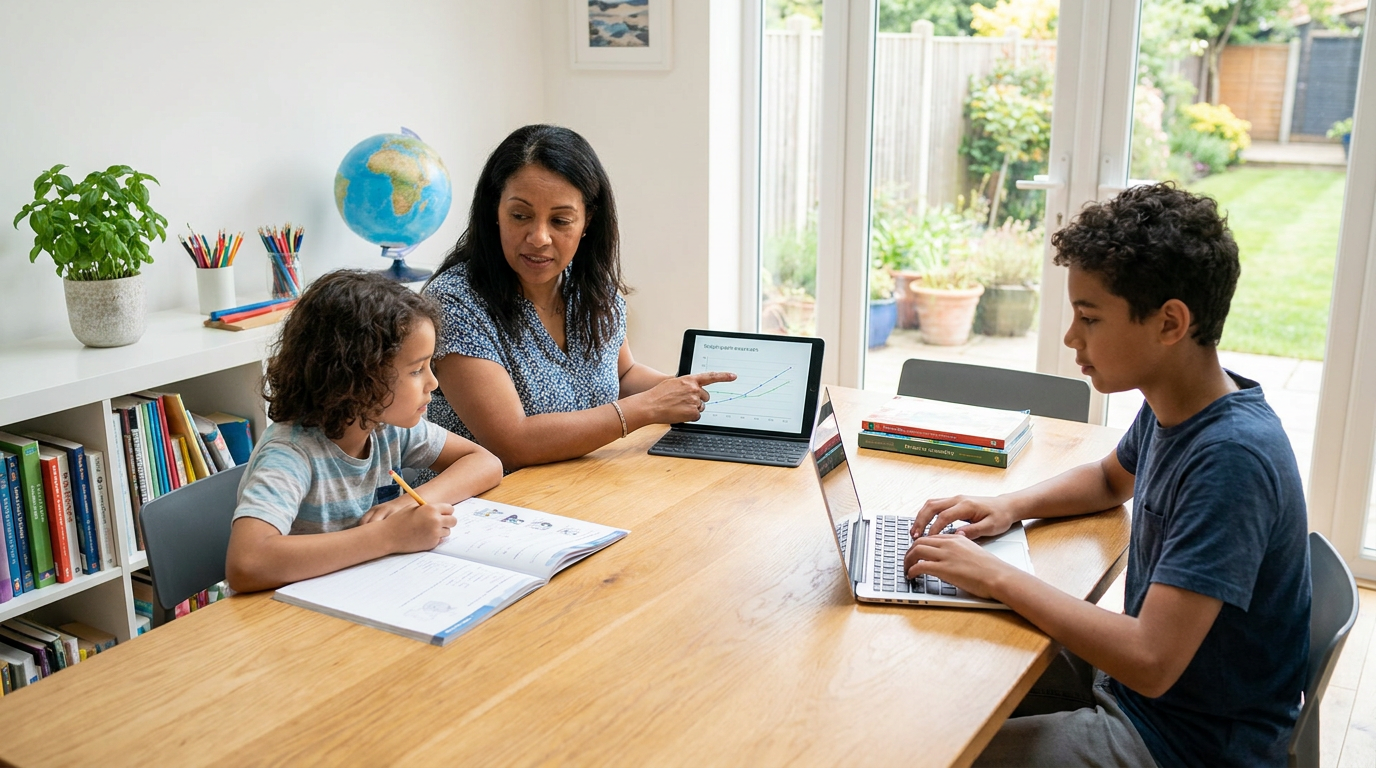
Choosing the right path for your child's K-12 education is one of the most important decisions a family can make. As technology evolves, so do the options, and for many, a full-time online school has become a powerful alternative to traditional classroom settings. This guide provides a comprehensive overview of the online K-12 school landscape in 2026, helping you understand the models, benefits, and key factors to consider.
Quick Answer
An online K-12 school is a formal educational institution that delivers a complete curriculum and instruction entirely over the internet. Unlike temporary remote learning, these are structured programs with certified teachers, a set curriculum, and established learning platforms. In 2026, the best online school programs offer a high degree of flexibility, personalization, and access to a wide range of courses, making them a popular choice for diverse learners.
TL;DR
- Diverse & Flexible Learning: Online K-12 schools provide structured yet flexible education through various models, from public virtual academies to private online institutions. Explore what defines these online programs.
- Personalized Pace & Access: Key benefits include the ability to tailor learning to a child's pace, accommodate unique schedules, and access specialized courses not available locally. Discover the advantages of online K-12 schools.
- Accreditation is Critical: When evaluating options, it's crucial to check for accreditation, review the curriculum, and understand the level of teacher interaction to ensure quality. Learn how to evaluate an online program.
- Technology Enhances Customization: Modern online learning increasingly uses technology to create adaptive learning paths and give parents deeper insights into their child's progress. Understand the role of new educational tools.
In This Article
- What Are Online K-12 Schools in 2026?
- Why Choose an Online K-12 School for Your Child?
- Different Models of Online K-12 Schools
- How to Evaluate and Choose an Online K-12 Program?
- The Role of AI in Modern Online K-12 Learning
- What to Expect: A Day in the Life of an Online Student
- Frequently Asked Questions
What Are Online K-12 Schools in 2026?
Online K-12 school refers to a fully virtual educational institution that provides comprehensive, grade-level curricula and instruction remotely through digital platforms. These are not simply supplemental resources or the emergency remote learning that many families experienced in the early 2020s. Instead, they are purpose-built virtual environments where students enroll, attend classes, interact with certified teachers, and complete coursework toward a diploma.
The key distinction lies in structure and accountability. An online school typically handles all aspects of K-12 education, including:
- Providing a full curriculum for all core subjects and electives.
- Employing certified teachers to lead instruction and grade assignments.
- Managing transcripts, report cards, and state reporting requirements.
- Offering student support services like academic counseling and technical help.
These schools have evolved significantly. Modern platforms often blend live (synchronous) video classes with self-paced (asynchronous) work, creating a dynamic learning environment. For example, a student might attend a live math lesson in the morning, work independently on a history project in the afternoon, and collaborate with peers on a science lab through a virtual portal. This model stands in contrast to traditional homeschooling, where the parent is primarily responsible for selecting curriculum and delivering all instruction.
Why Choose an Online K-12 School for Your Child?
Parents and students choose online K-12 schools for a variety of reasons, most of which center on flexibility, personalization, and access to a safer, more focused learning environment. For families who travel, students pursuing arts or athletics at a high level, or children who need to learn at their own pace, the rigid structure of a traditional school can be a significant barrier.
The primary benefits often include:
- Personalized Pacing: Students can move faster through material they grasp quickly and spend more time on challenging topics, reducing both boredom and frustration.
- Flexible Scheduling: Learning can be scheduled around extracurricular activities, medical appointments, or family travel, allowing education to fit into your life, not the other way around.
- Broader Course Access: Many online schools offer a wider range of courses than a local brick-and-mortar school, including advanced placement (AP) classes, niche electives, and multiple world languages.
- Support for Diverse Learners: The online format can be an excellent fit for students with different learning needs, providing a focused environment free from the social pressures or distractions of a large classroom.
For many homeschooling parents, the appeal of a flexible curriculum is a major driver, allowing them to tailor education to their child's interests and needs. This approach allows students to learn in a comfortable, personalized space where they can focus without the social pressures of a traditional classroom.
To help you weigh the decision, consider the common pros and cons:
| Aspect | Pros | Cons |
|---|---|---|
| Pacing & Flexibility | Highly individualized; students learn at their own pace and on their own schedule. | Requires a high degree of self-discipline and time management from the student. |
| Social Interaction | Can provide a reprieve from negative social dynamics like bullying. | Less organic, face-to-face interaction with peers; requires proactive effort to socialize. |
| Curriculum | Access to a wide variety of advanced or specialized courses. | Curriculum may be standardized and less adaptable than a parent-led homeschool approach. |
| Parental Involvement | Parents gain greater insight into their child's daily learning and progress. | Requires significant parental supervision and support, especially for younger students. |
Key takeaway: The decision to choose an online school often comes down to prioritizing a personalized, flexible education over the traditional, one-size-fits-all structure of a physical school building.
Different Models of Online K-12 Schools
The world of online K-12 education is not monolithic. Several different models have emerged, each catering to different needs, budgets, and educational philosophies. Understanding these types is the first step in finding the right fit for your family.
Synchronous learning is a model that involves real-time, scheduled interaction, where students and teachers are online at the same time for live classes, discussions, and group work. This closely mimics a traditional classroom schedule. In contrast, asynchronous learning allows students to access course materials and complete assignments on their own schedule, offering maximum flexibility. Most online schools today use a blend of both.
Here are the primary models you'll encounter:
- Public Virtual Schools: These are tuition-free programs funded by the state or a local school district and are available to residents. They follow public school standards, employ state-certified teachers, and lead to a public high school diploma. Because they are part of the public system, they are often required to administer state-standardized tests.
- Private Online Schools: These are tuition-based institutions that operate independently. They often offer a specific educational philosophy (e.g., Montessori, classical), a more specialized curriculum, or smaller class sizes. The cost of a private online academy can vary widely, so it's important to research the "private school cost" and what it includes.
- Homeschool Umbrella Programs: Some families use an online school as the core curriculum provider while officially registered as homeschoolers. The online program provides the lessons, grading, and structure, while the parent serves as the primary learning coach.
- Supplemental Online Courses: Students enrolled in a traditional school or homeschool program can take individual "a la carte" courses online. This is a popular option for accessing classes not offered at their primary school, such as a specific foreign language or an advanced science course for college credit.
Each model offers a different balance of structure, cost, and parental involvement. Public options provide a structured, school-at-home experience at no cost, while private schools and supplemental courses offer greater customization for a fee.
How to Evaluate and Choose an Online K-12 Program?
Choosing an online K-12 program requires careful research to ensure you're selecting a quality institution that aligns with your family's educational goals. When you start evaluating options, focus on accreditation, curriculum quality, teacher qualifications, and the support systems available to students and parents.
Here is a checklist of critical factors to consider:
- Accreditation: Is the school accredited by a recognized agency (like Cognia, WASC, or other regional bodies)? Accreditation is crucial for ensuring that diplomas are recognized by colleges and that credits can be transferred to other schools.
- Teacher Qualifications: Are the teachers certified in their subject areas? Look for information on teacher experience, accessibility, and the typical teacher-to-student ratio.
- Curriculum & Instruction Style: Does the curriculum align with your educational philosophy? Review course catalogs and ask whether the learning is primarily synchronous (live classes) or asynchronous (self-paced).
- Technology & Support: What are the technology requirements? Ensure the learning platform is user-friendly and that reliable technical support is available for both students and parents.
- Student Support Services: Does the school offer academic advising, college counseling, or support for students with learning differences?
- Progress Tracking: How does the school assess student learning and communicate progress? A robust system for progress tracking is essential for keeping your child on track.
- Social Opportunities: What opportunities are available for students to connect with peers? Look for virtual clubs, collaborative projects, and online social events.
⚠️ A common mistake: Many parents focus solely on the curriculum and forget to investigate the support infrastructure. A great curriculum is ineffective if you can't get tech help when a platform fails or if your child can't get extra help from a teacher when they're struggling.
The Role of AI in Modern Online K-12 Learning
In 2026, technology is doing more than just delivering content; it's actively shaping the learning experience. The thoughtful integration of systems that automate and personalize is a defining feature of modern K-12 education, especially in online environments. These advancements in AI in education are designed to support, not replace, the crucial role of teachers and parents.
These tools are helping solve long-standing challenges in education. For parents, one of the biggest burdens is the endless cycle of lesson planning—spending Sunday nights stitching together materials to create a coherent week of learning. Some platforms are now designed to lift that administrative weight.
- Personalized Learning Paths: Some systems can analyze a student's performance and automatically adjust the difficulty and content of future lessons, creating a truly individualized learning journey.
- Adaptive Feedback: Instead of just marking an answer right or wrong, some tools can provide instant, targeted feedback and suggest resources to help a student understand a concept they're struggling with.
- Data-Driven Insights: These platforms can provide parents and teachers with detailed reports on a student's progress, highlighting areas of mastery and identifying potential learning gaps before they become significant problems.
For homeschooling parents who serve as the primary educator, this is a game-changer. Rather than being bogged down by administrative tasks, they can focus their energy on direct instruction and connection with their child. For instance, a platform like LearnSpark builds daily lesson plans tailored to a child's specific interests and learning level. This frees parents from the time-consuming work of curriculum design and lets them get back to the joy of teaching. The goal is to foster positive, collaborative engagement with technology, turning screen time into quality learning time.
What to Expect: A Day in the Life of an Online Student
A typical day for an online K-12 student is a blend of structured activity and independent work, offering more flexibility than a traditional school day. The exact schedule varies by school, grade level, and a student's individual learning plan, but a general rhythm often emerges.
- Elementary School (Grades K-5): A younger student's day usually involves more direct parental supervision. They might start with a 30-minute live "morning meeting" with their teacher and classmates, followed by short, interactive lessons in math and reading. The afternoon could be dedicated to hands-on projects, educational games, and offline activities like art or physical education. Screen time is typically broken into small, manageable chunks.
- Middle School (Grades 6-8): Middle schoolers take on more independence. Their day might include a few live classes for core subjects, with more time dedicated to completing assignments and projects on their own. They begin managing their own schedule, learning to balance deadlines for different courses. Many online schools offer virtual clubs and group projects to foster collaboration.
- High School (Grades 9-12): An online high schooler's day often resembles a college student's schedule. They manage their own time, attending live lectures or watching recorded ones, completing assignments, and studying for exams. There's a strong emphasis on self-discipline and time management to prepare them for higher education and future careers.
Key takeaway: While the day is structured, it's not rigid. The flexibility of an online school allows a student to take a longer break for a walk, attend a midday music lesson, or finish their work early, fostering a sense of autonomy and responsibility.
Ready to experience truly personalized online learning? Start tailoring your child's lessons today!
Frequently Asked Questions
Are online K-12 schools accredited?
A: Yes, many reputable online K-12 schools are fully accredited by the same regional and national agencies that accredit brick-and-mortar schools, such as Cognia. Accreditation is a critical sign of quality, as it ensures the school's curriculum and diploma are recognized by colleges, universities, and other educational institutions. Always verify a school's accreditation status on their website or directly with the accrediting body.
How do online students socialize?
A: Online schools facilitate socialization through structured virtual activities like online clubs, collaborative group projects, virtual field trips, and school-wide social events. However, most families find that the bulk of socialization happens offline. The flexibility of online learning frees up time for students to participate in local sports teams, arts classes, volunteer work, and homeschool co-ops, often leading to more diverse and meaningful social connections.
What technology is needed for online learning?
A: The basic requirements for most online K-12 programs are a reliable, high-speed internet connection and a modern computer or laptop. Some schools may provide a device or have specific software requirements. A webcam and microphone are also essential for participating in live classes and interacting with teachers and peers. It's always a good idea to check the specific technical specifications listed by any school you are considering.
What is the average cost of a private online school?
A: The private school cost for an online academy varies significantly, The private school cost for an online academy varies significantly depending on the provider, so it's best to request current tuition details directly from schools you're considering.. The online academy tuition depends on factors like the school's accreditation, the level of live teacher interaction, class sizes, and the breadth of the curriculum. Some programs are more self-paced with less direct instruction, which often costs less, while others that closely mimic a private school experience with dedicated teachers and counseling services are at the higher end.
How does an online school differ from traditional homeschooling?
A: The main difference lies in who is responsible for the education. In traditional homeschooling, the parent acts as the teacher, choosing the curriculum, planning lessons, and assessing progress. With an online K-12 school, the school provides the certified teachers, accredited curriculum, and official record-keeping (like transcripts). The parent's role shifts from teacher to "learning coach," providing support and encouragement while the school handles the formal instruction.
Conclusion
The landscape of K-12 education is broader and more diverse than ever before. For families seeking an alternative to traditional schooling, a full-time online school offers a compelling blend of structure, quality, and flexibility. By understanding the different models available and carefully evaluating programs based on accreditation, curriculum, and support, you can find an educational path that truly fits your child's unique needs. As technology continues to advance, these learning environments are becoming increasingly sophisticated, standing as a testament to the growing global homeschooling trends and the desire for more personalized education.
Information about third-party platforms reflects publicly available details at the time of writing and may have changed. Please verify directly with the provider. See our Terms of Use for more.