
The Cheapest Way to Homeschool on a Budget (Your 2026 Guide)
Homeschooling your child offers incredible freedom and personalization, but it can feel financially daunting. You might be wondering about the cheapest way to homeschool on a budget without sacrificing the quality of your child's education. The great news is that a rich, engaging, and effective homeschool experience can be highly accessible and affordable, and this guide offers strategies to help you achieve it.
Quick Answer
The cheapest way to homeschool on a budget is to strategically combine free public resources, open-source digital curriculum, and community-based learning. By leveraging your public library, free educational websites like Khan Academy, and local homeschool co-ops, you can create a high-quality, customized education at a lower cost.
TL;DR
- Rely on your local library for more than just books. Modern libraries offer free digital access to databases, online courses, and community events that can form the backbone of your curriculum. Discover these free resources
- The internet is your biggest free asset. High-quality, full curricula and learning platforms are available online at no cost, covering every subject from math to coding. Explore the top free online learning platforms
- Don't go it alone—community saves money. Homeschool co-ops, park district programs, and skill-sharing with other families provide free or low-cost socialization and instruction. Find your community for free learning
- You don't need to buy new, expensive curriculum. Buying used materials, swapping with other families, and using AI to build lessons from free resources can drastically cut your biggest expense. Learn these affordable curriculum hacks
In This Article
- Why Does Homeschooling on a Budget Matter in 2026?
- How Can I Access Amazing Free Educational Resources?
- Are Free Online Learning Platforms Truly Effective?
- What Are the Best Ways to Find Local Community Resources for Free Learning?
- Smart Swaps: Affordable Curriculum Hacks and Material Savings
- Can AI Help Me Homeschool on a Budget?
- Setting Up Your Budget-Friendly Homeschool System
- Frequently Asked Questions
Why Does Homeschooling on a Budget Matter in 2026?
Homeschooling on a budget empowers more families to choose personalized education without facing financial strain. As the cost of living continues to rise, and with private school tuition continuing to rise, many parents are seeking affordable alternatives that don't compromise on quality. The ability to homeschool effectively on a tight budget democratizes educational choice, making it a viable option not just for the wealthy, but for any family committed to their child's learning journey.
The mindset has shifted from "How can I afford expensive boxed curriculum?" to "How can I creatively assemble the best education for my child using abundant, low-cost resources?" This change is powered by the explosion of high-quality digital content and a growing network of community support. In 2026, a smaller budget doesn't mean a smaller education; it means a smarter, more resourceful approach to learning.
This flexible financial model allows families to redirect funds toward what truly matters: experiential learning like museum visits, specialized classes that ignite a child's passion, or travel that brings lessons to life. It’s about spending intentionally, not just spending less.
Key takeaway: Homeschooling on a budget isn't about limitation; it's about empowerment. It gives your family the freedom to prioritize educational experiences over expensive materials, making personalized learning a reality for everyone.
How Can I Access Amazing Free Educational Resources?
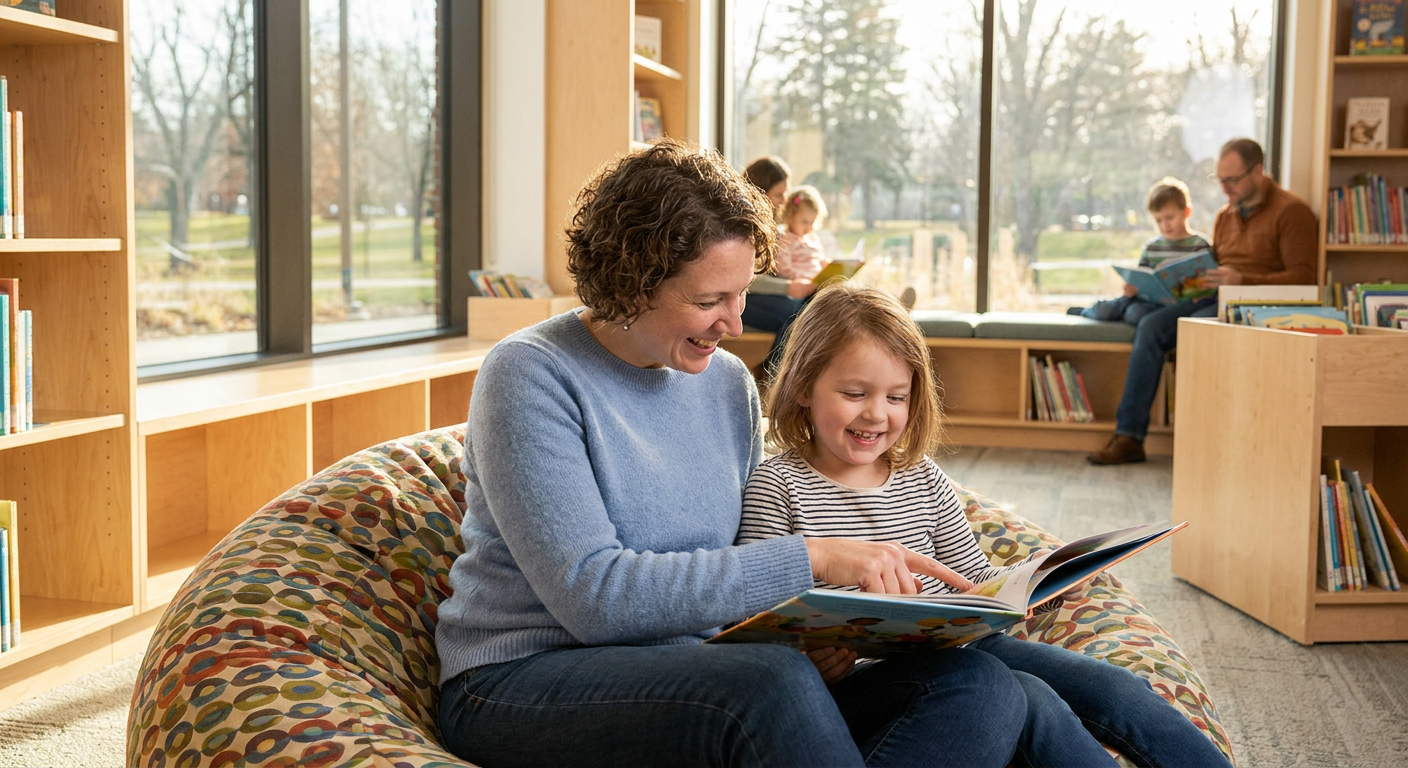
You can access a treasure trove of free educational materials by making your public library your homeschool headquarters and exploring the world of Open Educational Resources (OER). These two pillars can provide the foundation for a comprehensive and completely free education.
Your library card is one of the most powerful and cost-effective tools you have. Beyond borrowing books, it unlocks:
- Digital Databases: Access to premium research tools, language-learning software like Mango Languages, and historical archives that would otherwise require expensive subscriptions.
- E-books and Audiobooks: Use apps like Libby or Hoopla to get unlimited free books, perfect for literature, history, and read-alouds.
- Free Programs & Workshops: Libraries host coding clubs, author talks, science demonstrations, and reading challenges—all for free.
- Interlibrary Loans: If your library doesn't have a specific book you need, they can almost always get it from another library at no cost to you.
Beyond the library, tapping into a high-quality free homeschool curriculum is easier than ever. This is where Open Educational Resources come in. Open Educational Resources (OER) are free, publicly accessible teaching and learning materials. Think of them as open-source textbooks, lesson plans, and videos created by educators and institutions around the world. Major OER hubs like OER Commons and CK-12 offer entire K-12 curricula that you can use and adapt as you see fit.
Are Free Online Learning Platforms Truly Effective?
Yes, many free online learning platforms can be effective and complement learning in various educational settings. These platforms offer structured courses, expert-led video lessons, and interactive exercises that can supplement or even serve as your core curriculum for many subjects. To get the most out of these platforms, choose ones that align with your child's learning style and your educational goals.
The effectiveness of many of these platforms can stem from their focused, mastery-based approach. For example, a student can watch a math lesson on Khan Academy as many times as needed, practice with instant feedback, and only move on once they've demonstrated understanding. This is a form of personalized learning that is difficult to replicate in a traditional classroom.
While some platforms have paid tiers, their free offerings are often more than sufficient. Here’s a comparison of a few top-rated options for 2026:
| Platform | Best For | Key Free Features | Potential Gaps |
|---|---|---|---|
| Khan Academy | Math, Science, AP Prep | Comprehensive K-12+ video lessons, practice exercises, progress tracking | Less focus on hands-on projects; limited humanities curriculum. |
| Coursera (Audit) | High School Electives | Access to video lectures from top universities (e.g., Yale, Duke) | No certificates or graded assignments in the free audit track. |
| edX (Audit) | STEM, Computer Science | University-level courses from institutions like MIT and Harvard | Free access is time-limited; no instructor support. |
| Duolingo | Foreign Language | Gamified daily lessons for vocabulary and grammar | Less emphasis on conversational practice and cultural context. |
⚠️ Important distinction: Free platforms are fantastic for content delivery, but you, the parent, are still the primary educator responsible for weaving these resources into a cohesive plan, fostering discussions, and facilitating hands-on activities.
What Are the Best Ways to Find Local Community Resources for Free Learning?
The best ways to find free local learning resources are to connect with your community's public services and collaborate with other homeschooling families. Your town is a classroom waiting to be discovered, and tapping into it often costs nothing.
Start by looking at what your city or county already offers its residents.
- Parks and Recreation Department: Check their seasonal catalog for free guided nature walks, workshops on local history, or sports clinics. These are perfect for PE, science, and social studies.
- Community Centers and Museums: Many museums offer free admission days or evenings for residents. Get on their email lists to be notified. Community centers often host free cultural festivals or skill-based workshops.
- Local Government and Businesses: Arrange a free tour of a fire station, a local bakery, or your city hall. These tours provide real-world context for civics and economics.
The second major strategy is connecting with your local homeschool community. Joining a homeschool co-op or group is one of the most effective ways to share costs and labor. Within these groups, you can:
- Skill-Share: A parent who is a graphic designer can teach an art class, while another who is a biologist can lead a nature study group.
- Group Discounts: Organize group trips to museums, theaters, or science centers to get significantly lower admission rates.
- Material Swaps: Trade curriculum, books, and science equipment you're no longer using with other families.
Finding these opportunities is a simple, multi-step process you can start today.
By actively seeking out these local connections, you build a support network that not only enriches your child's education but also makes homeschooling feel less isolating and more financially sustainable.
Smart Swaps: Affordable Curriculum Hacks and Material Savings
Smart curriculum hacks and material-saving strategies are essential for homeschooling on a budget, allowing you to get high-quality resources for a fraction of the retail price. Instead of buying a complete, expensive boxed curriculum, think like a resourceful treasure hunter. The goal is to acquire what you need through savvy shopping, community sharing, and a little creativity.
The biggest savings often come from buying used curriculum. Many families only use a curriculum for one year, leaving it in excellent condition. You can often find entire grade-level sets for 50-75% off the original price. Combine this with other clever tactics for a robust and affordable material library.
Here's a quick checklist for curriculum and material savings:
- Thrift for "Real" Books: Build your home library with high-quality literature, non-fiction, and classic novels from thrift stores like Goodwill, library book sales, and local second-hand shops. You can often find beautiful hardcovers at very low prices.
- Use Online Swap Platforms: Websites like Homeschool Classifieds or Facebook Marketplace have dedicated categories for used curricula. You can buy, sell, or even trade resources directly with other homeschoolers.
- Embrace the Public Domain: Classic literature, from Shakespeare to Jane Austen, is available for free online through sites like Project Gutenberg. These texts are perfect for a robust middle or high school language arts program.
- DIY Your Own Unit Studies: Instead of buying a pre-made unit study on, for example, Ancient Egypt, create your own. Borrow books from the library, find documentaries on YouTube, and use free printables from educational blogs. This approach is not only free but also highly customizable.
- Look for Older Editions: When buying textbooks, particularly for subjects like math or grammar where content changes little year-to-year, look for an edition that's a few years old. They are often dramatically cheaper than the newest version.
- Leverage Subscription Boxes Strategically: Instead of a full curriculum, you might find a monthly science kit or art box (like KiwiCo or MEL Science) to be a more cost-effective way to handle hands-on subjects without buying tons of one-off supplies.
Ultimately, the cheapest cheap curriculum is the one you get for free or at a steep discount by being resourceful.
Can AI Help Me Homeschool on a Budget?
Yes, AI tools can be a secret weapon for finding the cheapest way to homeschool on a budget by acting as a free, personalized curriculum designer. Instead of you spending hours searching for disconnected free resources, an AI can instantly find and organize them into a coherent learning plan, saving you both time and money.
Traditionally, the trade-off with using free resources was the immense amount of time it took to vet them and structure them into daily lessons. This is where modern AI changes the game.
Here's how an AI curriculum planner supports budget homeschooling:
- Resource Curation: You can ask the AI to build a four-week unit study on marine biology using only free resources. It can pull relevant videos from Khan Academy and YouTube, articles from National Geographic Kids, and project ideas from educational blogs, organizing it all into a week-by-week plan.
- Lesson Generation: An AI can create a complete math lesson, including learning objectives, an explanation of the concept, practice problems, and a hands-on activity, all without requiring a textbook. You can specify your child's grade level and interests to make it engaging.
- Adaptable Content: If a free article is too complex for your child, you can ask the AI to rewrite it at a specific grade level. This allows you to use a much wider range of free content from the web.
Families using AI tools for planning may feel empowered to create their own curriculum. The AI does the heavy lifting of content discovery and organization, leaving you to do what you do best: teach and connect with your child. It turns the entire internet into your free, customizable curriculum library.
Setting Up Your Budget-Friendly Homeschool System
Setting up a budget-friendly homeschool system involves creating a simple organizational framework that relies on free tools and a flexible routine. A good system saves you money by preventing impulse buys and ensuring you use the resources you already have. The foundation is a clear plan for your time, your money, and your educational goals.
Begin by establishing an annual homeschool budget. Even if your goal is to spend as little as possible, tracking expenses helps you be intentional. A simple spreadsheet listing potential costs (e.g., used books, art supplies, museum memberships) is a great start.
Next, build your organizational system with free digital tools:
- Plan Your Year with Google Calendar: Create a "Homeschool" calendar to block out your school year, holidays, and breaks. You can also schedule field trips and library days.
- Organize Weekly Lessons with Trello or Notion: Use these free project management tools to create a simple lesson plan board. Create columns for "To Do," "In Progress," and "Completed" for each subject. Attach links to free videos or articles directly to the cards.
- Create a Digital Portfolio with Google Drive: For each child, create a folder for the school year. Save photos of projects, samples of their best work, and a list of books read. This becomes your free, easy-to-manage homeschool record.
This three-part digital setup provides the structure you need without costing a dime. It's the perfect backbone for those just starting your homeschooling journey on a budget.
Finally, build a flexible daily rhythm that incorporates free activities. Your schedule doesn't need to mirror a school's. It could include a morning walk for "PE," reading library books on the couch for "Language Arts," and baking together for "Math and Science." A simple, predictable routine reduces stress and makes learning a natural part of your day.
Ready to design your budget-friendly homeschool plan? Try LearnSpark for free!
Frequently Asked Questions
How much does it really cost to homeschool per year?
A: The annual cost of homeschooling varies dramatically. Many families manage to homeschool on a budget. However, families who commit to using free public resources, OER, and curriculum swaps can significantly reduce their expenses,, covering basic supplies like notebooks, art materials, and occasional field trips. Many find it is possible to provide a quality education at the lower end of this spectrum.
What are some completely free homeschool curriculum options?
A: Several excellent, completely free homeschool curriculum options are available online. Easy Peasy All-in-One Homeschool is a popular choice that provides a full K-12 curriculum with daily lesson plans. Khan Academy offers comprehensive and free math, science, and AP-level courses. For a literature-based approach, you can use public domain books from Project Gutenberg and pair them with free study guides found on educational blogs. Finally, your local public library often provides free access to digital learning platforms that serve as a full curriculum.
Is it really possible to homeschool for free?
A: Yes, it is possible to homeschool with minimal costs, though it requires dedication and resourcefulness. By committing to using the public library for all reading material, relying on free online platforms like Khan Academy and CK-12 for core subjects, and participating in free community programs for extracurriculars and socialization, you can eliminate curriculum costs. Many families find success with a "free" or "nearly free" approach, especially in the elementary years, by focusing on child-led learning and real-world experiences. Your primary investment becomes your time, not your money.