
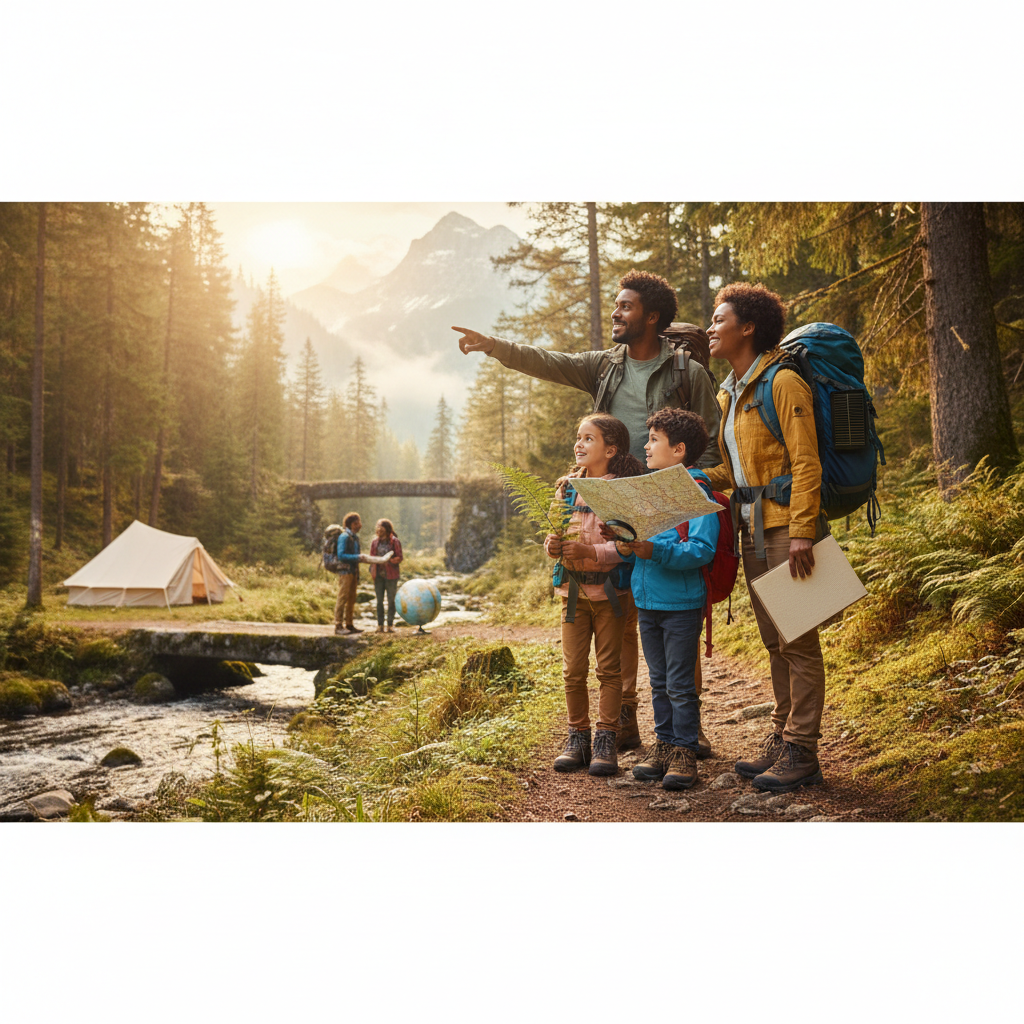
Key Takeaways
- Shift your mindset from "vacation" to "adventure" to embrace the learning and growth inherent in family travel.
- Prioritize flexible planning, balancing structured educational moments with spontaneous discovery, and involve children in the process.
- Leverage technology and smart packing strategies to streamline logistics and enhance on-the-road learning, even on a budget.
- Worldschooling with kids replaces traditional classroom settings with real-world experiences, fostering resilience, global awareness, and strong family bonds.
Do you dream of showing your children the world, but the thought of juggling logistics, packing for every possibility, and navigating airport meltdowns feels completely overwhelming? It’s a common fear that keeps incredible family adventures locked in the “someday” category. The worry about disrupting routines, keeping everyone safe, and managing the unexpected can easily overshadow the excitement of exploration. But what if you could trade that anxiety for confidence, and replace the stress with shared joy?
This is where your journey changes. We believe that learning flows from curiosity and connection, and that the world is the ultimate classroom. This guide is your complete roadmap for mastering how to travel with kids, transforming potential chaos into cherished memories. It’s about empowering you, the parent, to lead your family with ease, turning every trip into an opportunity for growth and discovery. You don't have to choose between adventure and sanity—you can have both.
From simple mindset shifts that reframe challenges to smart packing strategies that actually work, we'll give you the structure and freedom you need. Get ready to build the confidence to explore the world with your children, creating lasting, positive memories every step of the way.
The Mindset Shift: Trading Vacation for Adventure
The first secret to understanding how to travel with kids is letting go of the past. Release the idea of a traditional family vacation, where relaxation and packed itineraries once reigned supreme. Traveling with children isn’t a downgrade; it's a profound shift in perspective from a restful “vacation” to a rich “adventure.”
This isn't about giving up; it's about trading up. You're swapping a checklist of sights for a collection of shared moments. The goal is no longer to see everything, but to feel everything together. Embrace the beautiful chaos—the unexpected detours, the mid-afternoon meltdowns, and the spontaneous joy of discovering a simple park. Your new mission is to slow down to your child's pace and rediscover the world's wonder right alongside them.
Setting Realistic Expectations
Your travel rhythm will change, and that’s a gift. Instead of a rigid schedule, aim for simplicity and flexibility. Prioritize one, maybe two, key activities per day and build in plenty of unstructured time for naps, snacks, and the freedom to simply play. This approach prevents burnout and leaves space for the magic that happens when you’re not rushing to the next thing.
Involving Kids in the Planning Process
Turn your kids from passengers into co-pilots of your adventure. Involving them builds excitement and gives them a sense of ownership. You can:
- Let them help choose between two pre-approved activities or destinations.
- Watch documentaries or read books about where you're going to spark their curiosity.
- Give them an "important job," like picking a dessert spot or finding your gate at the airport.
The Core Benefits of Travel for Child Development
Beyond the memories, these shared adventures are a powerful engine for your child's growth. Navigating new places together builds essential life skills and strengthens your family unit in profound ways. Travel fosters:
- Resilience and Flexibility: Kids learn to adapt when plans change and solve problems on the fly.
- Curiosity and a Global Perspective: They see firsthand that the world is vast and diverse, sparking a lifelong love for learning.
- Strengthened Family Bonds: Overcoming small challenges together creates a unique and powerful sense of being a team.
Embrace the adventure, not just the itinerary.
The Ultimate Planning Framework: From Itinerary to Packing
A great family trip begins long before you leave home. The secret to knowing how to travel with kids without the stress is trading overwhelm for organized, intentional preparation. Start planning earlier than you would for a solo trip, giving yourself the space and freedom to choose destinations and accommodations that truly serve your family’s needs. This extra time is also crucial for reviewing important health and safety information, like the official CDC travel guidelines, to ensure a smooth journey. Create a single master document with all confirmations, tickets, and contact info to serve as your calm command center.
Crafting a Kid-Friendly Itinerary
The best family itineraries balance discovery with downtime. Instead of scheduling back-to-back museum tours, weave in breaks at playgrounds, parks, and pools. Look for interactive, hands-on experiences that invite curiosity. Whenever possible, schedule long drives or flights to align with nap times. Most importantly, always have a simple backup plan—like a fun movie or a local indoor play space—for rainy days or moments when your kids (or you) just need a rest.
The Art of Packing Light (But Smart)
Feeling anxious about forgetting something? The solution isn’t to pack more, but to pack smarter. Use packing cubes to organize each person’s clothes, and roll items instead of folding to save a surprising amount of space. A good rule of thumb is to lay out everything you think you need, then put half of it back. Remember that essentials like diapers, wipes, and snacks can almost always be purchased at your destination, freeing up precious luggage space.
Families practicing long-term travel often take on the one-suitcase challenge. This method encourages everyone to pack mindfully, focusing on true necessities. It leads to fewer lost items and smoother airport transitions.
Essential Gear by Age Group
Packing the right gear can make all the difference. While every family is unique, here are some proven essentials to consider for your packing list:
- Infants: A portable bassinet or travel crib for safe sleep, a comfortable baby carrier for hands-free exploring, and a portable white noise machine to mimic the comforts of home.
- Toddlers: Inflatable bed rails for safety, a tablet pre-loaded with favorite shows for travel days, and a small bag of new, inexpensive toys to reveal when you need a happy distraction.
- Kids & Teens: Noise-canceling headphones, portable chargers for their devices, and engaging books or e-readers. Giving them their own small backpack empowers them with a sense of responsibility. A GPS tracker for children can provide extra peace of mind in crowded areas.
| Packing Tips | Benefits |
|---|---|
| Packing cubes & color-code | Easy organization |
| Multi-use clothing | Save space, adapt to climate |
| Comfort items for kids | Emotional security |
| Rotating toys/activities | Prevents boredom |
Preparedness equals peace of mind.
Navigating the Journey: Planes, Trains, and Road Trips
The journey isn’t just something to endure—it’s the opening chapter of your family’s adventure. Shifting your mindset from “are we there yet?” to “look what we’re doing now!” is the first step. The secret to a smooth transit day is simple: preparation and communication. Walk your children through what to expect, whether it’s the noisy security line at the airport or the long stretches of highway on a road trip. This removes the anxiety of the unknown and empowers them to be part of the process.
Your two greatest tools are a well-stocked ‘go-bag’ and an abundance of snacks. Always pack more food and water than you think you’ll need—delays happen, and a hungry child can derail even the best-laid plans. Keep a backpack or tote bag easily accessible with wipes, a change of clothes for everyone (yes, even you!), a few favorite toys, and any necessary medications. This simple kit is your key to handling almost any situation with confidence and calm.
Conquering Air Travel with Kids
Flying can feel overwhelming, but a little strategy makes it simple. Focus on creating a calm, predictable experience for your children from check-in to landing. These simple tips are fundamental to understanding how to travel with kids by air without the stress.
- Book Smart: Opt for direct flights when possible. If a layover is unavoidable, choose one with at least a 90-minute buffer to avoid a frantic dash through the terminal. Consider booking flights for infants or young children during their typical nap or sleep times. Some families find red-eye flights work well.
- Gate-Check Your Stroller: Use your stroller through the airport and check it at the gate. It will be waiting for you on the jet bridge when you land—invaluable for tired little legs.
- Help Their Ears: Give your child a lollipop, drink, or pacifier during takeoff and landing. The swallowing motion helps equalize ear pressure and prevent discomfort.
- Ask for Help: Flight attendants are there to assist you. Don't be afraid to ask for extra water, help warming a bottle, or just a friendly word of encouragement.
- Entertainment is Key: Load devices with movies, games, and audiobooks. Pack new, small toys or craft kits to unveil periodically.
Making Road Trips an Adventure
A long drive is a blank canvas for creating memories. Instead of counting down the miles, turn the car into a cozy cocoon of fun and connection. With a bit of planning, you can transform a multi-hour drive into one of the best parts of the vacation.
- Plan Play Breaks: Stop every 2-3 hours to let everyone stretch their legs. Look for parks or rest areas with green space where kids can run freely for 15-20 minutes.
- Curate Your Soundtrack: Create a family road trip playlist with everyone’s favorite songs or download engaging audiobooks and podcasts that the whole family can enjoy together.
- Organize the Backseat: A simple backseat organizer that hangs over the front seat is a game-changer. It keeps snacks, drinks, books, and tablets within your child's reach, fostering independence.
- Play Car Games: Turn the drive into a game with travel bingo, a license plate scavenger hunt, or the classic "I Spy." It’s a simple way to keep everyone engaged and looking out the window.
Train Travel: A Scenic Alternative
Don't overlook trains as a fantastic family travel option:
- More Space to Move: Trains often offer more room to walk around, visit dining cars, and stretch little legs.
- Scenic Views: Train windows provide ever-changing scenery, often less motion-sickness inducing than cars.
- Overnight Trains: Can be an adventurous way to cover long distances while sleeping, saving on accommodation.
The journey is part of the destination.
On the Ground: Keeping Everyone Happy, Healthy, and Engaged
You’ve arrived! This is where the real magic happens. The key to unlocking joy instead of stress is to create a flexible rhythm that honors both adventure and your family's needs. Think of it as creating a comforting home base, no matter where you are in the world.
A semblance of routine is your anchor. While rigid schedules are the enemy of discovery, familiar patterns like consistent nap times or a shared story before bed can help little ones feel secure. The secret to how to travel with kids successfully is balancing planned excursions with plenty of downtime. Let their curiosity lead the way during unstructured afternoons—you'll be amazed at what you discover together.
Food Strategies for Picky Eaters
Worried about mealtime meltdowns? Turn food into a gentle adventure, not a battle. A quick trip to a local grocery store for familiar snacks provides comfort and control. Introduce new foods as a fun "tasting game" without pressure, and always keep a go-to, parent-approved snack on hand. A well-fed explorer is a happy explorer.
Consider bringing shelf-stable standbys like granola bars or fruit pouches. Picnics with groceries from local markets are often cheaper and allow for more control over ingredients.
Health and Safety While Traveling
Confidence comes from preparation. Your most important tool for peace of mind is a simple safety plan. Before you leave, talk about what to do if you get separated in a fun, empowering way. For practical safety, we recommend:
- Daily Photos: Snap a quick picture of your kids each morning. In an emergency, you'll have a current photo and a perfect description of their outfit.
- Contact Info: Write your phone number on a wristband or directly on your child’s arm with a pen for crowded areas.
- First-Kid Kit: Pack a kit with children’s medications, bandages, and any personal prescriptions. Include water purification tablets and child-safe insect repellents for many destinations. Knowing you have it is half the battle.
- Research Local Healthcare: Before you arrive, identify reputable clinics or hospitals, ideally with English-speaking staff. Comprehensive travel insurance is non-negotiable for medical emergencies.
By blending structure with freedom, you empower your family to explore confidently. It’s this very balance that helps turn any destination into your family's greatest classroom. For more on creating structured learning from spontaneous adventures, see how LearnSpark makes it simple.
Prioritize well-being for ultimate enjoyment.
Turn the World into Your Classroom (Without the Stress)
One of the most rewarding parts of family travel is watching your children connect with the world in a new way. Every destination is an opportunity for organic learning, but the secret isn't to replicate a rigid school schedule. The goal is to trade memorization for curiosity, transforming your journey into a living, breathing lesson in geography, history, and culture.
This approach is central to figuring out how to travel with kids in a way that is both enriching and joyful. It’s about creating a framework for discovery, not a checklist of facts. With a little guidance, you can effortlessly capture these teaching moments and spark a genuine love for learning.
Finding Learning Opportunities Everywhere
You don’t need a textbook when the world is your guide. Simple, everyday experiences become powerful lessons when you know how to frame them. Instead of feeling pressure to plan, look for natural entry points:
- At a local market: Practice math skills by counting currency and calculating costs. Discuss new fruits and vegetables and where they come from.
- Navigating a new city: Unfold a paper map and let them trace the route. This teaches basic geography, spatial awareness, and the power of following directions.
- Visiting a historical site: Go beyond the facts on the plaque. Ask them to imagine what life was like for children who lived there hundreds of years ago.
Using Travel to Spark Lasting Curiosity
The most valuable lessons from travel aren't about dates and names; they're about developing an inquisitive mind. Your role is to be a facilitator of wonder. Encourage your kids to document their journey through drawing or journaling, focusing on what they feel and observe. Ask open-ended questions like, "What surprised you most today?" or "What does that building remind you of?" When you follow their interests—whether it’s ancient Roman history or the strange insects on the trail—you show them their curiosity matters.
How to Add Structure Without Losing Spontaneity
Many parents worry that creating educational moments on the fly will add more stress to their trip. But the opposite is true. A little bit of structure provides the freedom to truly enjoy the adventure, knowing you’re making the most of it. You don't have to choose between exploration and education. Tools can help you generate simple, engaging lessons based on your location and your child's unique interests, giving you confidence without the overwhelm. See how SparkAI creates instant, travel-based lessons.
The world is the ultimate classroom.
The Worldschooler's DIY Advantage
Juggling flight alerts, museum tickets, and math lessons can feel less like an adventure and more like a full-time job. The mental load of worldschooling is real, but it doesn’t have to steal the magic from your family’s journey. This guide on how to travel with kids empowers you to build your own ultimate **family travel planner**—a simple, powerful system designed to integrate education and exploration seamlessly, leading with joy instead of stress.
Taking control of the planning process allows you to build a travel-and-learn system that is perfectly tailored to your family. It’s the difference between a pre-packaged tour and a life-changing adventure you design together.
Why DIY Planning Wins
Embracing the role of planner empowers you to create a richer, more authentic experience. You gain the freedom to move at your family’s pace, turning travel into a seamless extension of your life and values. Here’s why it’s a non-negotiable for worldschoolers:
- Embrace Spontaneity: A DIY approach lets you pivot your itinerary to explore a new fascination.
- Create Deeper Learning: Design experiences that align with your educational goals, turning every destination into a living classroom.
- Manage Your Budget Effectively: Cutting out agency fees allows you to invest your resources directly into experiences and hands-on learning.
- Teach Invaluable Life Skills: Involving your children in the planning process teaches them budgeting, research, geography, and problem-solving.
Your Two Hats: The Logistics Manager & The Learning Guide
To succeed, you need to wear two distinct hats. The first is the Logistics Manager, who handles the practical details: budgets, bookings, visas, and transportation. This is the operational backbone of your travels, ensuring your journey is smooth and stress-free.
Your second, more critical role, is the Learning Guide. This is where the magic happens. As the Learning Guide, you spark curiosity, connect experiences to educational concepts, and ensure your children are truly learning, not just seeing. This role often involves blending different homeschooling models to create a flexible framework that adapts to each new location. A successful worldschooling journey requires both hats to work in perfect harmony. An incredible learning opportunity is lost without the logistics to make it happen, and a perfectly planned trip is just a vacation without the educational spark.
Booking Your Core Four
Once you have a destination and budget, it’s time to lock in the essentials. We call these the "Core Four"—the pillars that give your trip structure.
- Flights: Look for deals on Tuesdays and use fare alerts. Consider airlines with better family policies or baggage allowances.
- Accommodation: Apartments (like Airbnb or Vrbo) offer a kitchen and a home base for longer stays, while housesitting can dramatically cut costs.
- Transportation: Will you rent a car for ultimate freedom or immerse yourselves in local life using public transit? Decide based on the location's infrastructure.
- Visas & Insurance: These are your non-negotiable safety nets. Research visa requirements months in advance and never travel without comprehensive family travel insurance.
Be your family's ultimate adventure architect.
Balancing Structure and Spontaneity for Learning
One of the biggest questions for families on the road is, "How much structure is enough?" It’s a delicate balance between the desire for spontaneous adventure and the quiet anxiety of falling behind. You don't have to choose between rigid lesson plans and a complete free-for-all. The goal is to find a rhythm that gives you confidence as a parent and inspires curiosity in your child.
By understanding different educational philosophies—from structured travel to interest-led 'unschooling'—you can design a hybrid approach that works for your family. This is about creating structured freedom, where a simple framework empowers deeper, more meaningful discovery.
The Case for a Simple Structure
A simple framework gives you confidence. It ensures core subjects like math and language arts are covered consistently, creating a reassuring routine that helps children feel grounded, even in a new city. This isn't about recreating a rigid school day; it's about building a simple, predictable rhythm that eases your anxiety about 'missing something important' and lets you focus on the joy of shared experiences.
Embracing 'Unschooling' Moments
The real magic of learning through family travel with kids happens when you follow their curiosity. A trip to a bustling market can become an impromptu lesson on currency, agriculture, or local culture. These 'unschooling' moments—the unplanned discoveries sparked by your child's own questions—are where learning becomes an adventure, not an assignment. They are powerful, memorable, and entirely unique to your journey.
The Hybrid Model: The Best of Both Worlds
The solution is structured freedom. This hybrid model offers a sustainable and joyful path by blending a reliable rhythm with the flexibility to explore. This balanced philosophy is a key principle in many educational travel approaches. As explained in guides to Worldschooling: Learning through travel, integrating a flexible curriculum with immersive experiences creates the most impactful learning.
Here’s what this can look like:
- Structured Mornings: Dedicate 1-2 hours in the morning to core subjects using a simple, adaptive curriculum. This builds consistency and covers the essentials.
- Themed Learning: Align your lessons with your location. Studying marine biology before an afternoon snorkeling trip makes the experience infinitely richer.
- Free Afternoons: Leave the rest of the day open for spontaneous exploration, museum visits, or simply relaxing and absorbing the local culture.
Find your family's flow between lessons and liberty.
Worldschooling on a Budget: Smart & Affordable Travel
You picture it clearly: your family learning history at the foot of the Roman Colosseum, discovering biology in a Costa Rican rainforest. Then, the feeling hits—a wave of financial anxiety. How could a normal family ever afford this? The dream feels impossibly out of reach, buried under fears of hidden costs and a budget that just won't stretch.
But what if we told you this life of connection and discovery isn't just for the wealthy? We’re here to show you that worldschooling on a budget is not only possible, but simpler than you think. It’s about being smart, not rich. It's about trading financial fear for the freedom to explore and learn, together.
The Budget Worldschooling Mindset: It's About Lifestyle, Not Luxury
The secret to successful worldschooling on a budget isn't about finding the cheapest flight deals or sacrificing comfort. It's about a profound mindset shift. You are not planning a never-ending vacation; you are designing a sustainable, long-term lifestyle. This means trading the frantic pace of a tourist for the gentle rhythm of a local and prioritizing a library card in a new city over a ticket to the most popular attraction.
This journey is about consciously choosing connection, curiosity, and shared experiences over a suitcase full of souvenirs. By embracing minimalism and focusing on what truly matters, you unlock the financial freedom to make this dream a reality.
Embrace Slow Travel to Save More and Learn Deeper
Slow travel is your financial superpower. Instead of hopping between cities every few days, you plant roots in one location for several weeks or even months. This simple change unlocks massive savings. Your benefits include:
- Drastically Lower Costs: Transportation expenses plummet, and you gain access to significant discounts on monthly rates for accommodations.
- Deeper Connections: You'll discover the best local market, build relationships with neighbors, and give your kids time to truly immerse themselves in a new culture.
- Authentic Learning: Education becomes about understanding a community, not just seeing its landmarks. Your kids learn geography by navigating local transit and math by handling foreign currency at the corner store.
Slashing Your Biggest Costs: Accommodation & Transportation Hacks
Accommodation and transportation are the two giants that can quickly drain your worldschooling funds. But you can dramatically reduce these costs through smart strategy.
- House-Sit for Free Stays: Platforms like TrustedHousesitters connect you with homeowners for free lodging in exchange for pet/home care.
- Negotiate Long-Term Discounts: For stays longer than a month, always ask hosts on platforms like Airbnb or VRBO for monthly discounts.
- Swap Homes: Networks like HomeExchange allow you to trade your home directly with another family worldwide.
- Fly for Less: Use tools like Google Flights and Skyscanner for price alerts and be flexible with your travel dates.
- Embrace Overland Travel: Trains and buses are often cheaper and offer a more immersive experience than flights, aligning with slow travel.
Travel smarter, not richer.
From Stressful Trips to Joyful Adventures
Traveling with your family doesn't have to be a source of stress. The secret lies in shifting your mindset from "vacation" to "adventure" and embracing a flexible planning framework. Ultimately, knowing how to travel with kids is less about a perfect itinerary and more about creating connection and discovering the world together. You have the tools to turn potential chaos into cherished memories.
And what if you could weave meaningful learning into your travels just as effortlessly? Imagine turning a trip to Rome into a lesson on ancient history without hours of prep. LearnSpark empowers you to do just that. Our LearnSpark lesson planning is tailored to your travels, and progress tracking gives you confidence and peace of mind. You’ll join a community of empowered worldschooling families who are trading curriculum stress for shared discovery.
The LearnSpark platform is designed to ease the burden of educational planning:
- SparkAI: Generates location-aware lesson plans, tailoring learning to your current environment and your children's interests.
- Progress Tracking: Intuitive dashboards show how your child is mastering key concepts and meeting educational milestones.
- Single Plan for Multiple Ages: Adapts lessons for various age groups, ensuring each child is engaged appropriately.
Ready to trade overwhelm for freedom? Create your first LearnSpark lesson plan for free.
The world is waiting. Go explore it together.
Frequently Asked Questions
How young is too young to travel with a baby?
There is no magic number, only your family’s comfort and confidence. Many families travel joyfully with infants as young as a few weeks old, though most pediatricians recommend waiting until after their two-month immunizations. The key is to embrace a slower pace. Traveling with a baby isn't about seeing everything; it's about being present and connected. Prioritize simple schedules and direct flights. You’ve got this.
What are the best ways to handle jet lag with children?
Conquering jet lag is about gentle adjustment, not a rigid battle. A few days before you leave, start shifting sleep and meal times closer to your destination's schedule. Upon arrival, expose everyone to natural sunlight as soon as possible to reset their internal clocks. Keep the first day simple and low-key, focusing on hydration and light activity. A little structure goes a long way in helping your family find their rhythm and embrace the joy of a new place effortlessly.
How do you manage screen time while traveling as a family?
View screen time as a helpful travel tool, not a source of guilt. The key is balance and intention. Before your trip, agree on clear boundaries together. Pre-load devices with audiobooks, educational games, or documentaries about your destination to spark curiosity. Use screens strategically during long transits or quiet moments. This approach fosters connection and respect, empowering you to use technology to enhance your adventure, not detract from it.
What are the most effective ways to travel with kids on a tight budget?
Traveling on a budget isn't about limitation; it's about creative freedom and deeper connection. Opt for off-season travel to find significant savings on flights and lodging. Choose apartments with kitchens to prepare simple meals, turning a grocery run into a fun cultural discovery. Seek out free local experiences—parks, hiking trails, and local markets often provide the most authentic memories. The richest travel experiences don't have to come with a high price tag.
My child is in school. How do we handle missed classes and assignments?
Turn travel into a powerful extension of the classroom. The key is proactive communication. Speak with your child’s teacher well in advance to get assignments and create a flexible plan. Frame the trip as a unique learning opportunity, connecting their schoolwork to real-world experiences. Knowing how to travel with kids while supporting their education gives you the confidence to turn any destination into a rich, personalized learning environment, ensuring they return inspired and engaged.
What are the best apps for making family travel easier?
The right apps can make your journey feel simple and organized. For effortless planning, use TripIt to consolidate all your bookings into one master itinerary. PackPoint creates smart packing lists based on your destination and activities. During your trip, Google Maps' offline feature is essential for navigating without data. A great tip for how to travel with kids is using a white noise app like myNoise to help them sleep soundly in unfamiliar rooms. These tools give you confidence. An educational planner like LearnSpark integrates learning into your travel plans, saving you time and effort.
How much money do you really need to start worldschooling?
It’s more achievable than you might think. Many families begin with $20,000 to $30,000 in savings, but it's possible with less, especially if you house-sit or work while traveling. The magic happens when you trade huge home-based expenses—like a mortgage, utilities, and car payments—for the simpler costs of life on the road. This fundamental shift in spending is what gives you the freedom and confidence to begin your journey and live anywhere.
Can this type of travel and learning truly replace a traditional school education?
Absolutely. Worldschooling doesn't just replace traditional education; it enhances it with real-world context and application. Instead of reading about ecosystems in a book, your child can explore one firsthand. LearnSpark ensures you cover core subjects with personalized lessons and progress tracking, so you can feel confident there are no gaps. It provides the academic structure you need to complement the priceless life skills, resilience, and global perspective your children gain from travel.